

Key Takeaways
An ABS pump can be expensive, but replacement is not automatically the right answer. The decision depends on the diagnosis, the vehicle’s condition, the available repair options, and how much safety-system reliability matters to you.
- Confirm that the pump, rather than a sensor, fuse, wire, or control module, has actually failed.
- Compare the total repair estimate with the vehicle’s value and your expected ownership period.
- New, rebuilt, remanufactured, and used units can have very different prices and risks.
- A warning light may mean the anti-lock function is unavailable even when ordinary braking still works.
- Do not drive the vehicle if braking is weak, unpredictable, leaking, or difficult to control.
What the ABS pump does and why it fails
The ABS pump is part of the hydraulic system that helps control brake pressure when a wheel is close to locking. It works alongside the ABS control module and wheel-speed sensors, rather than operating as an isolated mechanical pump. When the system detects a problem, it may switch off anti-lock assistance and store a fault code. That does not always mean the pump itself needs replacing.
How the ABS pump works with the control module
During hard braking, wheel-speed sensors send information to the control module. The module uses that information to control valves and the hydraulic pump, allowing brake pressure to be adjusted at individual wheels. This helps the driver retain steering control while braking on surfaces with different levels of grip.
The pump may run briefly during self-tests or more noticeably when the ABS system is actively regulating pressure. Because several parts communicate during this process, a fault in wiring, a sensor, a valve, the module, or the pump can produce similar dashboard symptoms. A useful ABS control module guide can help explain the difference between stored codes and the component that ultimately needs attention.
Common causes of ABS pump failure
Age, moisture, electrical faults, internal wear, contamination, and corrosion can all contribute to ABS problems. A damaged connector or poor ground may interrupt communication without any mechanical failure inside the pump. Brake fluid that has not been changed as recommended can also contribute to hydraulic-system problems, although the correct cause depends on the vehicle and its service history.
The first diagnosis should therefore be specific. “ABS fault” is not the same as “failed pump.” Ask for the stored code, the test results, and an explanation of how those results identify the pump as the failed component.
How pump problems affect braking performance
A failed pump can prevent the anti-lock system from modulating pressure as designed. In some cases, the vehicle still has conventional hydraulic braking, but the anti-lock function may be unavailable. In others, the pedal can feel abnormal, braking performance can deteriorate, or the system may develop a hydraulic fault that requires immediate attention.
The distinction matters because normal braking and ABS assistance are related but not identical. A vehicle that stops normally in gentle conditions may still behave differently during an emergency stop, on wet pavement, or on loose gravel. Normal pedal feel is not proof that every part of the ABS system is working.
Why an ABS warning light should not be ignored
An ABS warning light is a request for diagnosis, not a precise parts list. It may appear with other warning lights, including traction-control or stability-system messages, depending on the vehicle. The system may have disabled one or more safety functions to prevent incorrect operation.
If the pedal feels firm and the car brakes normally, drive only as far as necessary to reach a qualified repairer, and do so cautiously. If the pedal is soft, sinks, feels unusually hard, or braking is pulling or inconsistent, stop driving and arrange professional assistance instead.
Signs your ABS pump may need replacement
ABS pump symptoms can be obvious, but they are often shared with other components. Warning lights provide a useful starting point, while pedal feel, noises, leaks, and scan-tool data add context. No single symptom should be treated as proof that a replacement pump is required.
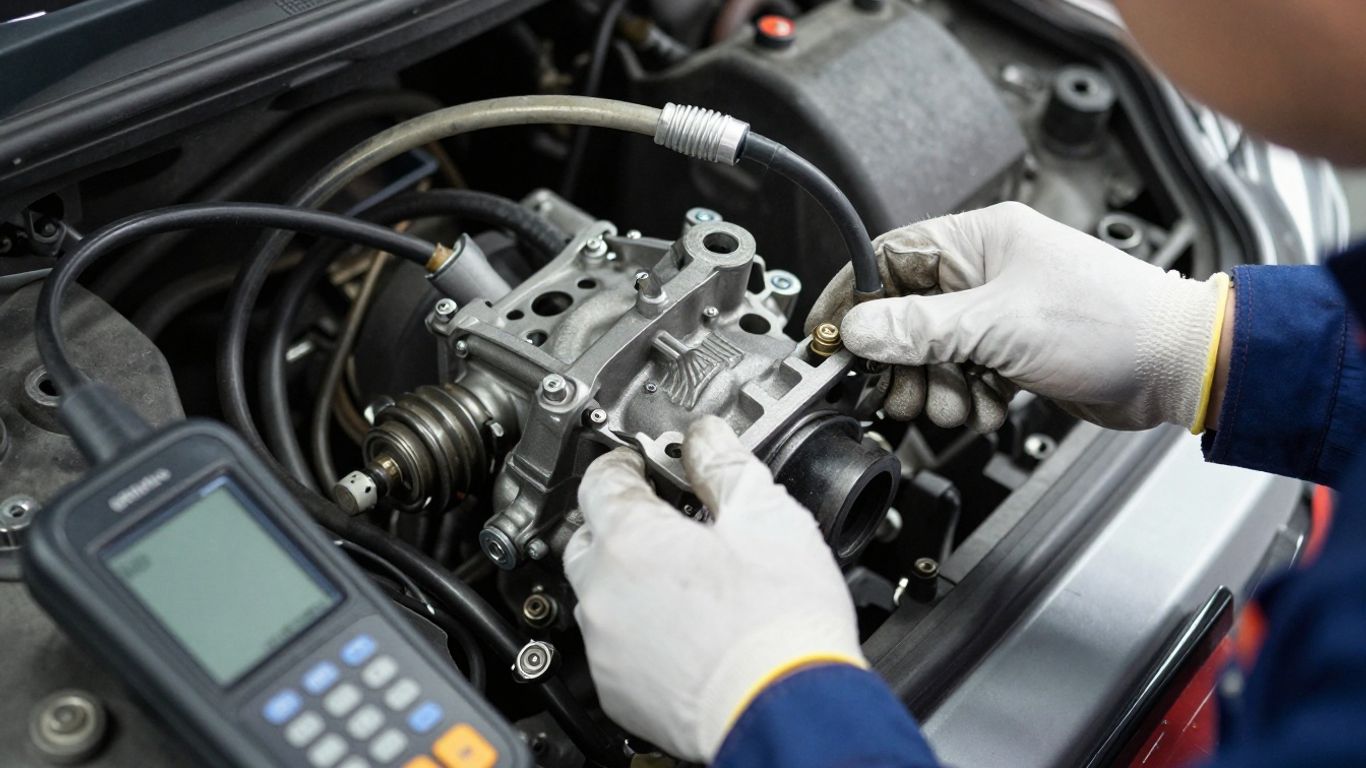
Warning lights and dashboard messages
An ABS light that remains on after the engine starts is one of the clearest signs that the system has recorded a fault. Messages about braking assistance, traction control, or stability control may appear at the same time. Some vehicles also display a message indicating that anti-lock braking is unavailable.
Record when the light appears and whether it follows rain, a battery problem, a repair, or a particular driving condition. That information can help the technician reproduce the fault rather than simply clearing the code.
Changes in pedal feel or braking behavior
A pulsating pedal during an emergency stop can be normal ABS operation, but a pedal that pulses unexpectedly during gentle braking is not something to dismiss. A soft pedal, increased stopping distance, pulling to one side, or wheels locking under braking deserves prompt inspection.
These symptoms can also indicate air in the lines, worn friction components, a hydraulic leak, or another brake-system fault. A helpful overview of ABS warning-light symptoms can provide background, but a hands-on inspection remains necessary.
Unusual noises, leaks, or hydraulic problems
A brief motor sound during a system check may be normal, depending on the vehicle. A pump that runs repeatedly, stays on after the engine is switched off, or makes grinding or harsh buzzing noises is more concerning. Fluid around the hydraulic unit, damp lines, or a falling reservoir level should be treated as a brake-system issue rather than merely an electrical warning.
Look beneath the vehicle only when it is safely parked and supported. Do not place yourself under a car held up only by a jack. If brake fluid is leaking, do not continue driving simply because the ABS light is the only warning on the dashboard.
Fault codes that can point to the pump
A scan tool may show a pump-motor, hydraulic-pressure, valve, internal-module, or communication code. The exact code meanings vary by vehicle, and a code can identify a circuit or system area without proving that the whole pump assembly has failed. Testing voltage, ground, connector condition, and sensor signals is often part of confirming the diagnosis.
Keep a copy of the diagnostic report. It should identify the code, the tests performed, and the reason the proposed repair addresses the fault. This is especially useful when comparing a new unit with a repair or remanufactured option.
Symptoms that may come from another ABS component
Wheel-speed sensors, tone rings, wiring, fuses, the control module, and low system voltage can all create ABS warnings. A damaged sensor wire can be mistaken for a pump problem if the vehicle is diagnosed only by its dashboard light. Likewise, a weak battery or charging fault may create several communication codes at once.
Before authorizing work, ask the shop to separate confirmed findings from possibilities. The ABS replacement options guide is also useful when you want to understand why the original unit, a new unit, or a used part may require different procedures.
How much ABS pump replacement typically costs
There is no single fair price for ABS pump replacement. The estimate depends on the vehicle, the complete assembly being replaced, local labor rates, diagnostic time, fluid service, and whether programming or calibration is required. A low parts price can become a high final bill if the unit is difficult to access or needs additional setup.
Parts, labor, and diagnostic charges
A quote commonly includes diagnosis, the pump or hydraulic assembly, labor to remove and install it, brake-fluid work, bleeding, and any required programming or calibration. Some shops charge diagnosis separately, while others credit it toward approved repairs. Ask what happens if the first suspected component is not confirmed.
The most useful estimate is itemized rather than a single round figure. It should show whether the part is new, remanufactured, rebuilt, or used, and whether taxes, shop supplies, fluid, and post-repair testing are included.
Differences between new, rebuilt, and used units
A new original-equipment unit usually offers the clearest parts provenance, but it can be the most expensive route. Rebuilt and remanufactured units may cost less, though their testing standards, warranty coverage, and included components vary. A used pump may be affordable but can have unknown mileage, storage history, compatibility, and remaining service life.
| Option | Possible advantage | Main question to ask | Common concern |
|---|---|---|---|
| New unit | Strongest parts history | Is programming included? | Higher purchase price |
| Rebuilt unit | Existing unit may be repaired | What was replaced and tested? | Variable warranty and scope |
| Remanufactured unit | Lower cost with refurbishment | Who remanufactured it? | Core or compatibility requirements |
| Used unit | Often the lowest initial price | Does it match the vehicle exactly? | Unknown condition and history |
The price difference only helps if the part is compatible and the repair is supported afterward. Ask whether the warranty covers both the part and the labor to remove a failed replacement.
How vehicle age and model affect the estimate
Older vehicles may have lower parts prices, but availability can be less predictable. Newer or higher-specification vehicles may use integrated hydraulic and electronic assemblies that cost more and require specialized procedures. Access, corrosion, and the need to initialize the replacement can add labor regardless of the vehicle’s age.
The same-looking pump may not be interchangeable across trims or model years. The technician should verify the part number and vehicle identification details before ordering anything.
Additional costs from brake fluid and related repairs
Replacing a hydraulic unit often means opening the brake system. The work may therefore include fresh fluid, pressure or manual bleeding, and a scan-tool bleeding procedure. If the diagnosis finds damaged lines, seized fittings, a weak battery, or a separate sensor fault, those items can change the final estimate.
Do not compare only the price of the pump itself. A complete quote should explain every related charge and identify which items are essential now versus recommended for later.
When a dealership quote may be higher
A dealership may quote a new original-equipment assembly, factory diagnostic time, programming, and a warranty-backed installation. Independent specialists may offer different parts or repair routes and may have lower labor rates. Neither price is automatically better; the relevant question is whether the proposed part and procedure are appropriate for the vehicle.
For general cost context, a guide to ABS module repair costs can help frame the difference between repairing a module and replacing an assembly. Prices in that guide should not be treated as a quote for your vehicle or location.
When repairing or replacing the ABS pump is worth it
The question “is it worth replacing abs pump” has no universal yes-or-no answer. Safety comes first, but the financial decision still deserves a clear calculation. Consider the vehicle’s condition, the repair alternatives, the inspection rules that apply where you live, and how long you expect to keep the car.
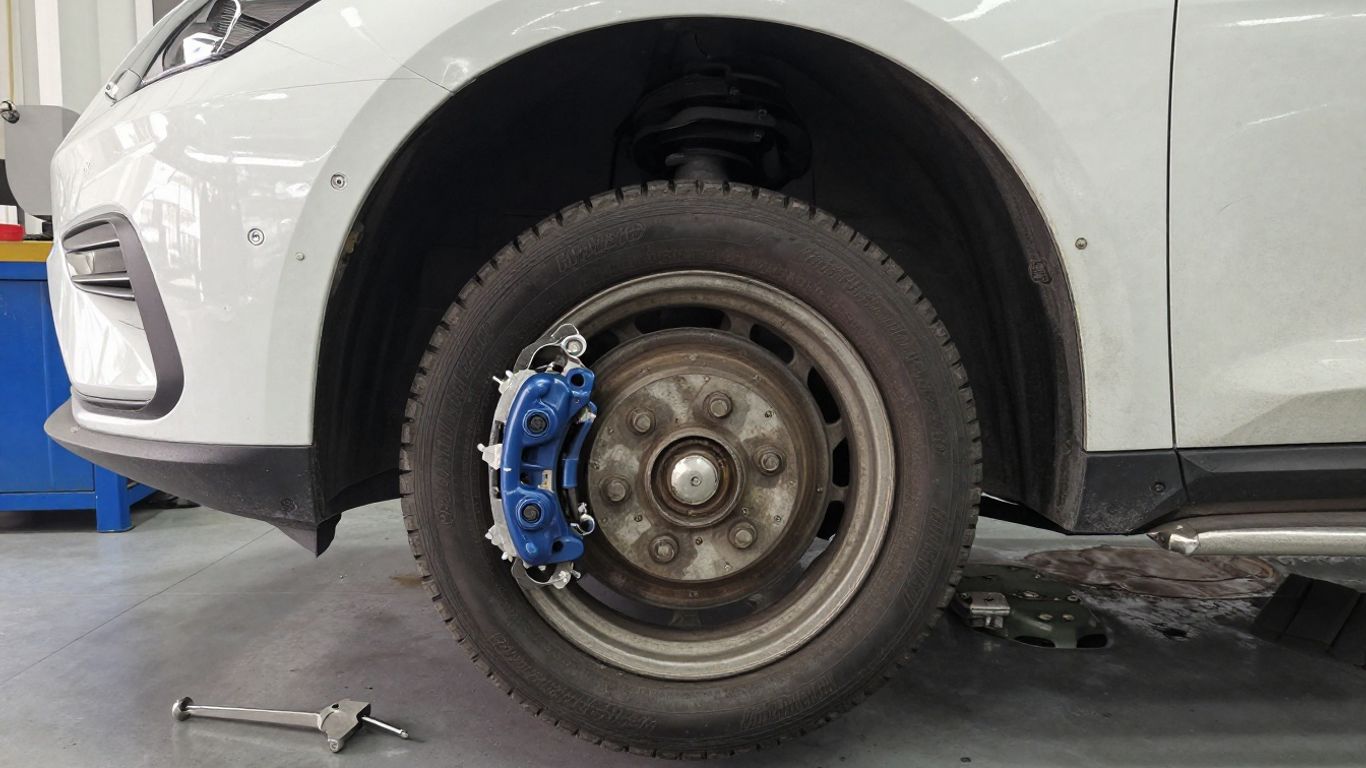
Comparing the repair cost with the vehicle’s value
Start with the complete installed cost, not just the advertised part price. Then compare it with the vehicle’s realistic market value and the cost of replacing the car with another dependable vehicle. A repair that represents a large share of the car’s value may still be sensible if the rest of the vehicle is sound and replacement transport would cost more.
Be cautious about using a single online valuation as the deciding number. Condition, service history, local demand, and known faults can change what the vehicle is actually worth.
Considering mileage, condition, and expected ownership
Mileage matters, but it is only one factor. A high-mileage vehicle with a maintained engine, transmission, body, and suspension may be a better repair candidate than a lower-mileage car with several imminent problems. Consider tires, rust, cooling, steering, and upcoming maintenance at the same time.
If you plan to keep the vehicle for several more years, a properly diagnosed repair may provide more value than a temporary workaround. If you are about to sell it, disclose the ABS condition and avoid making a repair solely to conceal a warning light.
Evaluating safety, reliability, and inspection requirements
An ABS fault can affect emergency braking and may disable related stability or traction functions. It may also cause the vehicle to fail a safety inspection, depending on local rules. A discussion about an older vehicle and a costly ABS repair can be useful for perspective, but the advice in this older-car ABS repair discussion is specific to that owner’s vehicle and circumstances.
A repair is more persuasive when it restores a known failed function and includes appropriate testing afterward. If the shop cannot explain what failed or how the repair will be verified, obtain another diagnosis before spending the money.
Determining whether the repair restores resale value
A functioning ABS system can make a used vehicle easier to sell and easier for a buyer to evaluate. It does not necessarily recover every dollar spent, particularly on an older car. The main benefit is usually restored safety, usability, and confidence rather than a guaranteed increase in resale price.
Keep the invoice, diagnostic report, and warranty information. Clear records can reassure a future buyer that the warning was addressed rather than simply reset.
Situations where replacement is usually a sensible choice
Replacement is generally easier to justify when the vehicle is otherwise reliable, the diagnosis is conclusive, the repair meets inspection requirements, and you expect to keep the car. It is also more sensible when the pump failure affects braking behavior rather than only producing a stored warning.
A specialist may offer a less expensive repair path without compromising the required function. The key is to compare supported solutions, not to choose the cheapest component in isolation.
Alternatives to installing a new ABS pump
A new pump is only one possible repair route. Depending on the fault, the vehicle may need a smaller electrical repair, a rebuilt module, a remanufactured assembly, or a correctly matched used unit. Each option should be evaluated against compatibility, warranty, programming, and the condition of the original system.
Testing the fuse, wiring, sensors, and connectors
Before replacing an expensive assembly, a technician should inspect relevant fuses, grounds, connectors, wiring, wheel-speed sensors, and battery voltage. Testing can reveal a broken wire or corroded terminal that produces a pump-related code. This approach is often less costly and prevents replacing a good hydraulic unit.
Ask whether the shop tested the circuit under the conditions that trigger the fault. A visual inspection alone may not find an intermittent connection.
Repairing or rebuilding the ABS module
Some faults are confined to the electronic control module or to serviceable portions of the assembly. A specialist may be able to repair the original unit, although not every failure is repairable and the unit must be tested after the work. The repairer should explain what was found, what was replaced, and what warranty applies.
Repairing the original part can also reduce compatibility uncertainty because the unit already belongs to the vehicle. It still may require bleeding, coding, or calibration when refitted.
Buying a remanufactured replacement unit
A remanufactured unit can balance price and reliability when it comes from a reputable supplier. Confirm that the part number, vehicle configuration, and hydraulic layout match. Ask whether the unit is supplied ready to install or whether programming and setup remain your responsibility.
The warranty should state whether return shipping, labor, and a replacement for a failed exchange unit are covered. Those details matter more than a low headline price.
Using a salvage-yard pump and its risks
A salvage-yard pump may be practical for an older vehicle with limited parts availability. However, its internal condition and storage history are usually uncertain. It may have come from a vehicle with the same visible model but a different brake system, software version, or equipment level.
Use the exact part number and ask about testing and returns. A used unit without a meaningful return policy can turn a low initial price into two installation bills.
Checking for recalls, service campaigns, or warranties
Before paying for a replacement, check the vehicle’s identification details for applicable recalls, service campaigns, extended coverage, or a prior repair warranty. Coverage varies by vehicle, age, mileage, market, and the specific fault, so it must be confirmed through an appropriate source.
The same habit applies to other repair decisions: verify the actual coverage rather than assuming every warning light is included. A general vehicle warranty and repair terms page illustrates why exclusions and owner obligations should be read carefully, even though its subject is not ABS repair.
How to make the right ABS pump replacement decision
A sound decision comes from joining technical evidence with practical ownership considerations. Get the diagnosis in writing, compare complete estimates, and understand what work follows installation. If the braking system is behaving unpredictably, do not let the cost discussion delay a safety decision.
Getting an accurate diagnosis before authorizing work
Ask for a full-system scan, the relevant fault codes, and the tests used to isolate the pump. The technician should check related sensors, wiring, power supply, grounds, and hydraulic symptoms where appropriate. A code can point toward a system area, but it does not always identify the part that should be replaced.
If the diagnosis is uncertain, paying for a second opinion may be cheaper than installing the wrong assembly. Keep the first report so the next technician can review the evidence rather than starting from the dashboard light alone.
Asking a shop which component actually failed
Use direct questions: Is the hydraulic pump faulty, or is the control module faulty? Was the motor tested? Are the connectors and grounds sound? Could a sensor or wiring fault create the same code? What result will confirm that the repair worked?
A clear answer should distinguish confirmed failure from a recommended precaution. If the explanation remains vague, pause before authorizing an expensive part.
Confirming programming and bleeding requirements
Some replacement ABS units require coding, initialization, calibration, or a vehicle-specific bleeding procedure. Confirm who performs those steps and whether they are included in the estimate. A unit that is physically installed but not correctly configured may leave the warning light on or create new faults.
Also ask whether the shop will road-test the vehicle and rescan it after installation. The final invoice should show that the system was checked, not merely that a part was fitted.
Comparing written estimates from qualified shops
Obtain at least two itemized estimates when the vehicle is safe to drive or can be transported. Compare the part source, warranty, labor, diagnostic charges, programming, fluid, bleeding, taxes, and any core charge. A cheaper estimate may omit a necessary setup step, while a higher estimate may include a stronger warranty.
Avoid choosing a repairer solely because of a polished online presence. Look for relevant brake-system experience, clear documentation, and a willingness to explain the diagnosis.
Knowing when driving the vehicle is unsafe
Do not drive if braking is weak, the pedal sinks, fluid is leaking, the vehicle pulls severely, or the brakes behave inconsistently. The same applies when the warning lights are accompanied by a major change in pedal feel or stopping ability. Arrange towing or professional advice instead of testing the car in traffic.
For less severe warning-light situations, drive cautiously only as far as needed for diagnosis, leaving extra distance and avoiding conditions that demand emergency braking. A short trip to a qualified shop is not the same as continuing to use the vehicle normally.
Conclusion
Replacing an ABS pump is worth considering when the diagnosis is firm, the vehicle is otherwise in good condition, and the repair restores an important safety function at a reasonable total cost. Before committing, compare repair, remanufactured, and used options, confirm programming and bleeding requirements, and treat any change in braking behavior as urgent.
Frequently Asked Questions
Can I drive with the ABS light on?
Sometimes a vehicle can still be driven cautiously if ordinary braking feels normal, but anti-lock or related stability functions may be unavailable. Have the fault diagnosed promptly, and do not drive if the pedal feel or stopping performance has changed.
Does an ABS light always mean the pump has failed?
No. A wheel-speed sensor, wiring fault, fuse, low voltage, control module, connector, or hydraulic problem can produce a similar warning. Testing is needed before replacing the pump.
Is replacing an ABS pump expensive?
It can be, because the total may include diagnosis, the part, labor, brake fluid, bleeding, programming, and calibration. Vehicle model, part source, and local labor rates have a major effect on the estimate.
Is a rebuilt ABS pump a safe option?
It can be appropriate when supplied by a reputable specialist with clear testing and warranty terms. Confirm compatibility and ask whether the unit is fully tested for your vehicle’s configuration.
Should I buy a used ABS pump?
A used unit may reduce the initial cost, but its history and remaining life are uncertain. Verify the exact part number, programming requirements, testing, and return policy before purchase.
Will a new ABS pump need programming?
Some vehicles require programming, coding, initialization, or calibration after installation, while others may not. The repairer should confirm the requirements for the exact vehicle and include them in the estimate.
When should I stop driving immediately?
Stop driving and arrange assistance if the brake pedal is soft or sinking, fluid is leaking, braking is weak or inconsistent, the vehicle pulls sharply, or the stopping distance has increased noticeably.