

Key Takeaways
A steady ABS warning light deserves attention, even if the vehicle still seems to brake normally. A basic restart may clear a temporary warning, but it cannot confirm or repair the underlying fault.
- Check the owner’s manual before inspecting fuses or attempting a reset.
- Look for visible wiring damage, loose connections, or signs that the warning began after recent work.
- Try a simple ignition restart, but avoid battery disconnection unless the manual permits it.
- If the light remains on, drive cautiously and avoid deliberately triggering ABS.
- Seek professional diagnosis if braking feels unusual, other warnings appear, or the light returns.
Understand what the ABS light means
The ABS light tells you that the anti-lock braking system has detected a problem or is not ready to operate as intended. It does not automatically mean the regular brakes have stopped working, but it does mean you should take the warning seriously. Before trying to reset it, consider how the system is meant to help and what the light can—and cannot—tell you.
How ABS works during hard braking
During hard braking, anti-lock braking systems help prevent the wheels from locking up. That can help a driver maintain steering control while braking, especially when a sudden stop is needed. If the ABS warning light stays on, the system may not provide that assistance, even if the vehicle’s ordinary braking still feels normal.
What a steady light means versus a flashing one
A light that briefly appears when you start the vehicle and then goes out may be part of its normal startup check. If it stays illuminated, the vehicle has detected a condition that needs attention. A flashing warning can mean different things depending on the make and model, so check the owner’s manual rather than assuming it signals a particular fault. An ABS warning light guide can also offer general context, but your vehicle’s instructions take priority.
Why clearing the light is not the same as fixing the fault
A warning can disappear temporarily without the cause being resolved. A loose connection, for example, may behave differently after a restart, then fail again later. A cleared warning is not proof of a repair; if the issue remains, the light may return, and the ABS may still be unavailable. This distinction is also why ABS and traction-control warning guidance treats finding the cause as part of addressing the light.
When it may be unsafe to continue driving
If the brake pedal feels different, the vehicle pulls when stopping, or a brake-system warning appears alongside the ABS light, do not treat a reset as a solution. Find a safe place to stop and consult the manual or arrange help. If a collision has occurred and you are concerned about symptoms afterward, this information on back pain after a car accident may help you understand why new discomfort should not be ignored.
Check common causes before attempting a reset
A quick visual check can help you notice something obvious before you try to clear a warning. Park on level ground, switch off the ignition, and avoid reaching near moving parts or working beneath a vehicle that is not properly supported. These checks cannot diagnose every ABS problem, but they can help you describe what you see.
Inspect the ABS fuse using the owner’s manual
Use the owner’s manual to find the correct fuse location and identification; fuse layouts vary between vehicles. With the ignition off, check only what the manual says is safe to inspect. A fuse that appears damaged may be relevant, but replacing it without understanding why it failed can leave an electrical problem unresolved. Do not substitute a fuse with a different rating.
Look for damaged wheel-speed sensor wiring
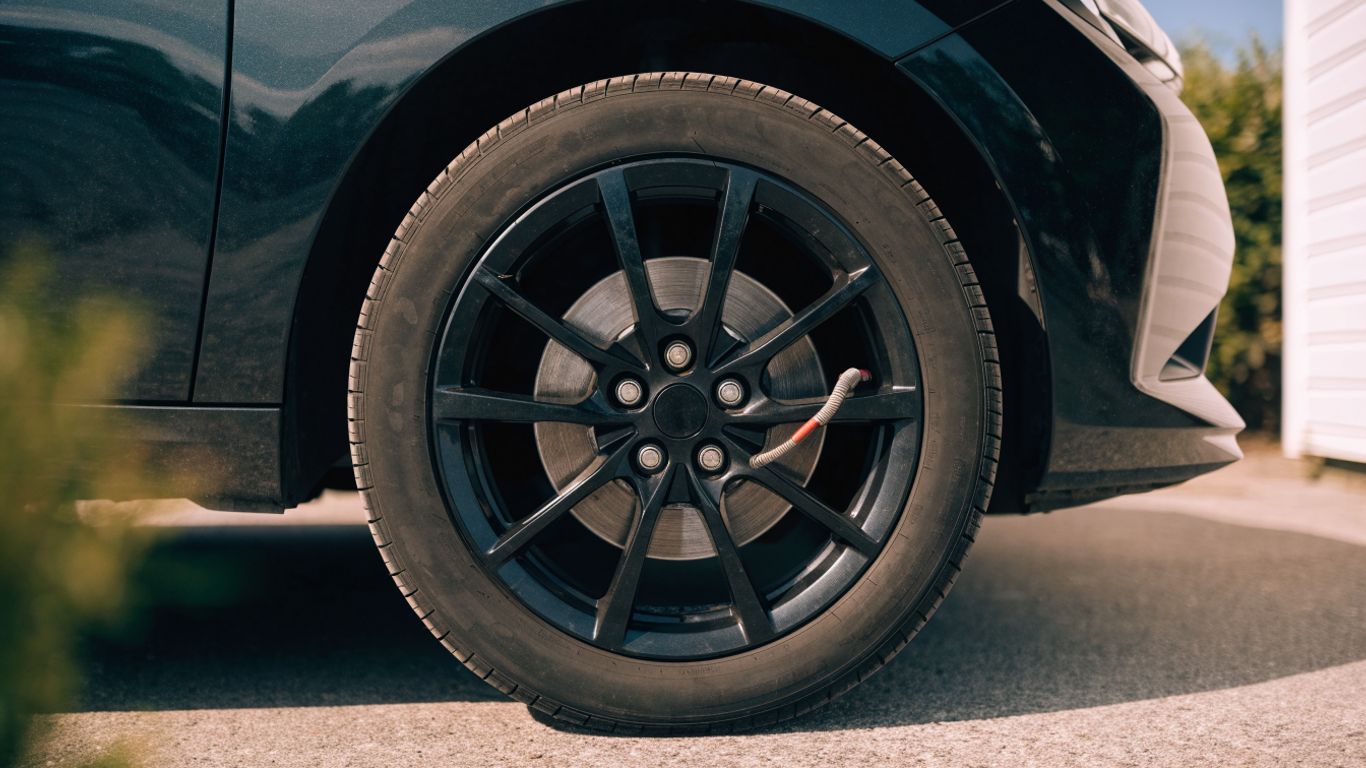
Wheel-speed sensor wiring is routed near the wheels, where it can be exposed to road debris and wear. With the vehicle parked and switched off, look from a safe position for a clearly loose connector, a visibly frayed wire, or damage that may have appeared during recent work. Do not pull on wiring or remove parts just to get a closer look.
A simple visual check can be kept to a few safe observations:
- Look for a wire that is visibly cut, frayed, or hanging loose.
- Notice whether a connector appears disconnected or damaged.
- Record which wheel area shows the concern and when you noticed it.
These observations are useful to share with a technician, but they do not establish that a sensor or wire is the cause. Avoid trying to clean or reposition parts unless the vehicle’s service instructions specifically call for it.
Check the battery voltage and electrical connections
Low voltage or a poor electrical connection can be associated with warning lights, but a quick glance cannot confirm the battery’s condition. The table below separates observations you can make from conclusions that require proper testing.
| What you notice | What it may suggest | Sensible next step |
|---|---|---|
| Slow cranking or dim lights | The battery or charging system may need attention | Arrange a battery and charging-system check |
| A visibly loose battery terminal | The connection may be unreliable | Follow the manual or ask a qualified person to inspect it |
| Corrosion around a terminal | A connection may need service | Avoid scraping or disconnecting it without guidance |
| ABS light appeared after a weak start | A voltage issue may be relevant | Note the sequence and have the system checked if the light stays on |
Treat these as clues, not a diagnosis. If you want to check voltage, use the vehicle manual and a suitable meter, or have a shop test the battery and charging system safely. Interpreting a dashboard warning is not the same as drawing conclusions from one measurement, much as laboratory results need context rather than guesswork.
Notice whether the light appeared after recent repairs
Think back to when the warning first appeared. If it followed brake, wheel, tire, or suspension work, mention that timing when you arrange an inspection; a connector or related part may have been disturbed. Keep any repair records and note whether the warning is steady, intermittent, or accompanied by another light. Written records can make many practical matters easier to follow, including an estate sale settlement, but they do not replace a vehicle diagnosis.
Try basic reset steps without a scanner
Without a scanner, your options are limited to safe, general steps and any procedure the manufacturer explicitly provides. The right approach can differ by vehicle, so do not rely on an internet procedure written for a different model. If you are researching a specific vehicle, Ford-specific ABS reset guidance is an example of why instructions should match the vehicle rather than be applied universally.
Park safely and switch off the ignition
Choose a level, safe place away from traffic, put the vehicle in park or in gear as appropriate, and apply the parking brake. Switch off the ignition and wait briefly before restarting. Do not attempt a reset while the vehicle is moving, and do not work near hot, moving, or electrically powered components.
Restart the vehicle and check whether the light clears
Restart the vehicle and watch the dashboard through its normal startup check. If the ABS light goes out and stays off, that may mean the warning was temporary, but it does not prove the system has been inspected or repaired. If it remains on or returns, record when it appears and avoid repeating the same restart in the hope that it will solve a persistent fault.
A restart is a cautious first step, not a substitute for reading fault information. Some vehicles may turn off a warning after conditions return to normal; others retain a fault until it is diagnosed or cleared using the prescribed process.
Follow the owner’s manual for any model-specific reset procedure
Look for instructions in the section about warning lights, braking, or troubleshooting. Follow them only if they clearly apply to your exact model and year, and stop if the steps call for equipment or expertise you do not have. Avoid improvised connector-jumper or pedal sequences: a procedure intended for one vehicle may be unsafe or ineffective on another.
Avoid disconnecting the battery unless the manual recommends it
Battery disconnection is not a universal ABS reset method and may create additional problems. Check the manual before removing a terminal, and do not proceed if you are unsure about the vehicle’s electrical system or the steps for safe reconnection. A reset attempt should never take priority over finding out why the warning came on.
Know what a battery disconnect can and cannot do
Removing battery power may affect some vehicle settings, but it is not a dependable way to repair an ABS fault. The ABS light may stay on, return after the vehicle is restarted, or require a specific diagnostic procedure. Before doing anything with the battery, check what the vehicle maker recommends and consider whether the possible inconvenience is worth it.
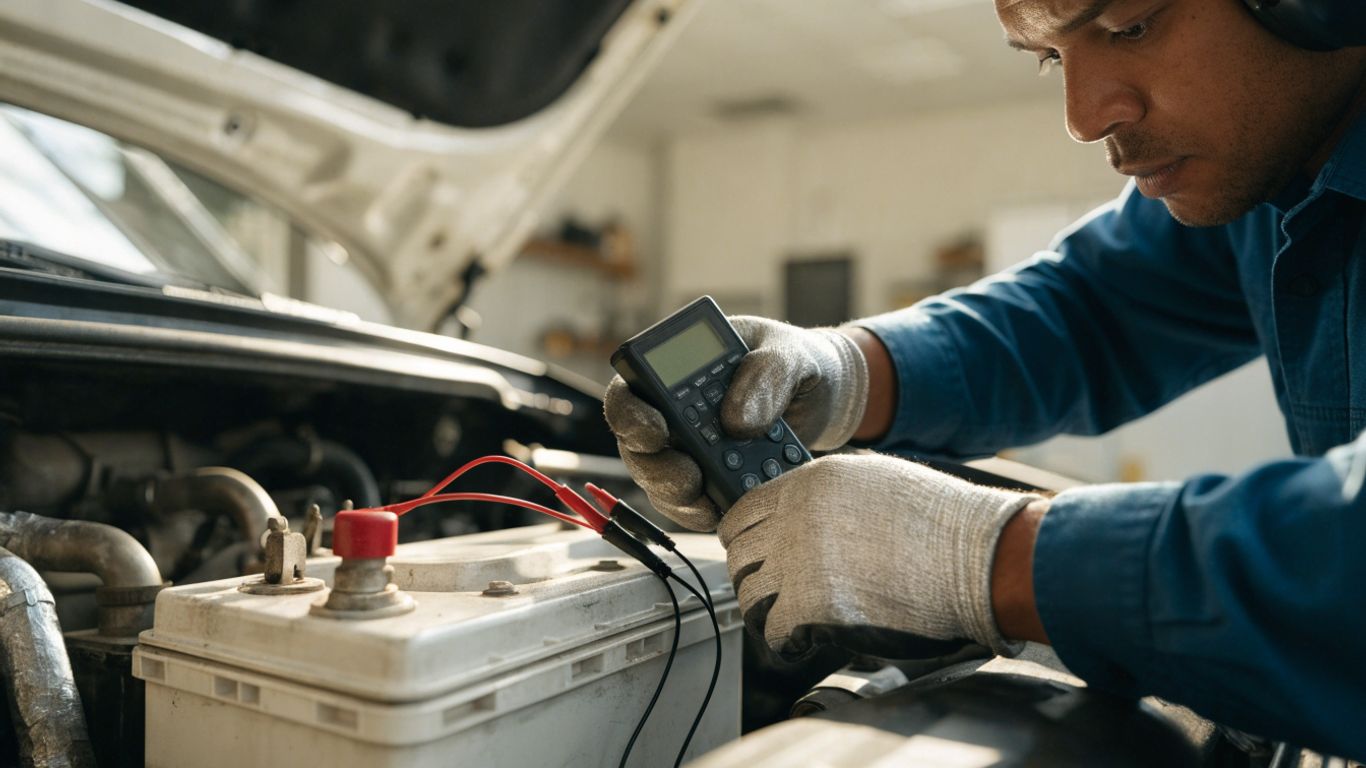
Why disconnecting the battery may not clear ABS fault codes
ABS systems can retain fault information or require a compatible diagnostic procedure before a warning can be cleared. If the underlying issue is still present, disconnecting the battery will not fix it. Some vehicle-specific procedures exist, but following an unverified sequence is a poor substitute for finding the correct fault information; an ABS connector and pedal procedure illustrates why exact vehicle instructions matter.
How power loss can affect other vehicle settings
Depending on the vehicle, losing power may reset settings such as the clock, saved radio preferences, or other electronic features. Some models may require additional steps after power is restored. Check the manual for possible effects before disconnecting anything, especially if you rely on settings or equipment that may need to be reconfigured.
When a battery reset is inappropriate
Do not disconnect the battery if the manual says not to, if you cannot identify the correct procedure, or if there are signs of a serious brake problem. It is also unwise to use a battery reset to hide a warning before selling or driving the vehicle. The risks of improvising are not a thrill ride: even the Evel Knievel exhibits associated with daring stunts are a reminder that spectacle and everyday road safety belong in different categories.
Reconnect the battery safely if the manual permits the procedure
If the manual allows disconnection and you decide to proceed, follow its instructions exactly, including any required sequence and precautions. Keep tools away from both terminals and avoid letting a tool bridge the terminals or contact nearby metal. If you are uncertain, stop and ask a qualified technician; a correctly reconnected battery still will not resolve an ABS fault that remains active.
Take a cautious drive and recheck the warning light
A short, careful drive may show whether a warning returns, but it is not a test of whether ABS is functioning correctly. Do not drive merely to clear a light if braking already feels unusual or the manual advises against it. If the vehicle seems safe to move, keep the route simple and be prepared to stop.
Choose a low-traffic route and keep speeds modest
If you need to check whether the warning returns, choose a familiar route with little traffic and good visibility. Keep speed modest, leave extra space, and avoid steep roads, poor weather, and sudden maneuvers. The goal is only to observe the dashboard during ordinary driving, not to challenge the braking system.
Test the brakes gently without deliberately triggering ABS
Make only gentle, normal stops when it is safe to do so. Do not slam on the brakes, seek out a slippery surface, or try to make ABS activate as a test. You cannot reliably confirm ABS operation by provoking a hard stop on a public road.
Stop if braking feels unusual or another warning appears
Pull over safely if the pedal feels soft, unusually hard, or different from normal, or if the vehicle does not slow as expected. Stop driving if a brake warning appears or the vehicle behaves unpredictably. If there has been a recent collision, remember that symptoms such as back pain after a collision are a separate reason to seek appropriate care rather than simply carrying on.
Check whether the ABS light returns after the drive
Once parked, check whether the light is still off or has come back on. Make a note of when it appeared, whether another warning was present, and what the vehicle was doing at the time. A returned warning deserves diagnosis; the fact that it went away briefly does not establish that the fault is gone.
Decide when professional diagnosis is necessary
If the warning persists or returns, the next step is usually diagnosis rather than another reset attempt. ABS problems can involve components and signals that are not possible to assess from a visual check alone. Share what you observed, avoid claiming a specific part has failed, and ask what checks are needed to confirm the cause.
Signs that the fault needs prompt attention
Seek prompt help if the ABS light appears with a brake warning, the pedal feels abnormal, braking performance changes, or the vehicle pulls or behaves unpredictably. Do not continue a drive to see whether the warning resolves itself when something feels wrong. If you are unsure whether it is safe to move the vehicle, call for professional advice or roadside assistance.
Why many ABS faults require a compatible scan tool
A compatible scan tool can access ABS fault information that a basic visual inspection or a simple engine-code reader may not show. The stored information can help a technician narrow down what to test, but a code alone does not always identify the failed part. If you are considering an at-home reset procedure, remember that a truck-specific ABS troubleshooting guide may describe steps that do not apply to a passenger vehicle.
What information to share with a repair shop
Clear observations can make the conversation more useful. Tell the shop when the light first appeared, whether it is steady or intermittent, what other warnings appeared, and whether the vehicle recently had brake, wheel, battery, or suspension work. Mention any visible wiring or battery concerns without presenting them as a confirmed cause. A practical record of evidence matters in many fields; even ethical SEO practices depend on distinguishing reliable information from assumptions.
How to confirm the underlying problem is fixed before driving normally
Ask what fault was found, what was repaired, and whether the ABS system was checked afterward. The warning light going out is useful, but it is not the only confirmation; the repair shop should explain how it verified the system’s operation and whether further checks are needed. Resume ordinary driving only when the vehicle behaves normally and any professional instructions have been followed.
Conclusion
A basic restart may clear a temporary ABS warning, but it cannot confirm that the braking system is working as intended or fix a persistent fault. Check the manual, make only safe visual observations, and do not disconnect the battery or test the brakes aggressively without vehicle-specific guidance. If the warning remains, returns, or comes with unusual braking, arrange a proper diagnosis before returning to normal driving.
Frequently Asked Questions
Can I reset the ABS light without a scanner?
You can try a safe restart and follow any reset procedure stated in the owner’s manual. There is no universal manual reset that works for every vehicle, and clearing a light does not repair its cause.
Will the ABS light turn off by itself?
It may go out if a temporary condition has passed, but it can also remain on or return if a fault is still present. If it stays lit, consult the manual and arrange diagnosis as needed.
Is it safe to drive with the ABS light on?
The regular brakes may still work, but ABS assistance may be unavailable. Drive only if the vehicle feels normal and the manual does not advise otherwise; stop and seek help if braking changes or another brake warning appears.
Does disconnecting the battery clear ABS codes?
Not reliably. Some vehicles retain fault information or require a compatible diagnostic tool, and disconnecting the battery can affect other settings.
Should I remove or replace an ABS fuse?
Check the owner’s manual before inspecting a fuse, and use only the specified rating. If a fuse appears damaged or fails again, have the cause checked rather than repeatedly replacing it.
Can I test ABS by braking hard?
No. Do not deliberately trigger ABS on a public road or use a hard stop as a test. A technician can check the system using appropriate equipment and safe procedures.
When should I call a repair shop?
Arrange professional diagnosis if the warning stays on or returns, or if another warning appears. Seek prompt help if the pedal feels unusual, braking performance changes, or the vehicle behaves unpredictably.