

Key Takeaways
Buying an ABS pump is less about finding the lowest listed price and more about confirming the right unit, supplier, and installation plan.
- Match the pump and module to the exact vehicle and part number.
- Diagnose the underlying fault before ordering a replacement.
- Compare new, refurbished, and used units by total landed cost.
- Check testing, warranty, returns, and compatibility details in writing.
- Use a qualified brake specialist for installation, bleeding, and coding.
Understand what you need before buying an ABS pump
The best place to buy abs pumps in australia depends first on what your vehicle actually needs. An ABS pump may be sold with, or separately from, an electronic control module, and those parts are not automatically interchangeable. Before comparing suppliers, collect the vehicle details, fault information, and markings from the existing assembly. That preparation can prevent an expensive order for a part that looks right but cannot be installed safely.
Confirm the vehicle’s make, model, year, and variant
Start with the vehicle identification number, make, model, build year, engine, body style, and trim or variant. Small changes within one model range can affect braking hardware, electrical connections, software, or hydraulic line layout. Registration details are useful, but the VIN and the label on the removed unit are stronger references when a supplier checks stock.
Take clear photographs of the pump, module label, plugs, and brake-line arrangement. If the vehicle has been modified, imported, or built near a model-year change, mention that before ordering. A good seller should be willing to compare those details rather than relying only on a broad model description.
Match the ABS pump with the module and part number
Read every number printed on the housing, electronic module, and any barcode label. Manufacturer numbers, superseded numbers, and rebuilder references can look similar, so ask the seller to confirm which number they are matching. The safest transaction is one where the supplier confirms compatibility in writing and explains whether the pump and module are supplied as a matched assembly.
Do not assume that a physically similar unit will communicate correctly with the vehicle. Connector shape, hydraulic port position, software version, and calibration requirements may all matter. Part-number confirmation matters most when buying a used or refurbished component online, because a return can still leave you without a drivable vehicle for days.
Diagnose the fault before replacing the unit
An ABS warning light does not prove that the pump itself has failed. Wheel-speed sensors, wiring, relays, power supply, hydraulic problems, and the electronic module can create similar symptoms. A scan tool that can access the ABS system, followed by electrical and hydraulic checks, gives a much better basis for deciding whether replacement is justified.
Record the exact fault codes and the conditions in which they appeared. Intermittent faults deserve particular care because replacing the pump may not cure a damaged harness or poor connection. If you are unsure how to interpret the diagnosis, ask a brake specialist to test the system before committing to the part.
Compare new, refurbished, and used ABS pumps
A new unit usually offers the clearest supply history, but it may carry a high purchase price. A refurbished pump can be sensible when the rebuilder explains what was tested or replaced. A used assembly may be the most affordable option, provided its source, condition, compatibility, and warranty are clear.
The right comparison is not simply new versus used. Consider the risk of downtime, the availability of a return, the age of the donor vehicle, and whether coding is included or supported. A recycled-parts supplier such as All Good Parts can be one reference point when comparing tested and guaranteed recycled ABS pumps and modulators, but the exact unit still needs to match your vehicle.
Compare the best places to buy ABS pumps in Australia
Different sellers suit different situations, and each has a trade-off between price, certainty, convenience, and support. Dealer channels may offer strong identification help, while wreckers can provide genuine used assemblies at a lower price. Online buying broadens the search, but it also places more responsibility on the buyer to verify the listing.
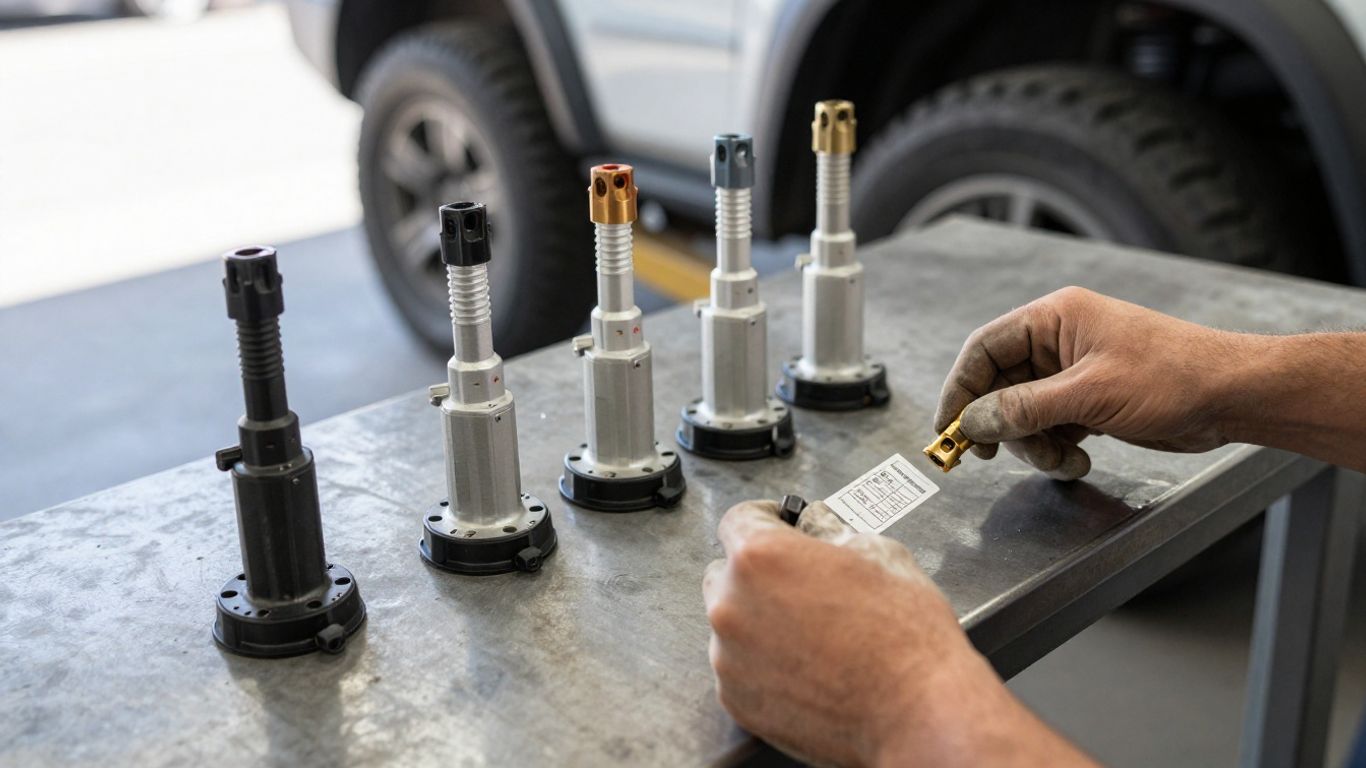
The best place to buy abs pumps in australia is therefore the one that can supply a compatible part with transparent condition details and a workable remedy if it does not fit. Treat the seller’s information and after-sale support as part of the product, not as an afterthought.
Authorized dealers and vehicle manufacturers
An authorized dealer is often a practical first stop when the vehicle is newer, unusual, or covered by a service history. The parts department can use factory identification systems and may be able to confirm superseded numbers. The trade-off is that genuine new assemblies can cost considerably more than recycled or refurbished alternatives.
Ask whether the quoted price covers only the pump, the electronic module, or the complete assembly. Also confirm availability, lead time, warranty terms, and whether programming is handled by the dealer or must be arranged separately.
Specialist automotive parts retailers
Specialist retailers may offer a broader mix of genuine, aftermarket, remanufactured, and used components. Their value depends on how well they identify the part and how clearly they describe the unit’s condition. A retailer that understands brake components should ask for more than the vehicle model before recommending an ABS pump.
For nationwide sourcing, a network such as ABS Auto Service Centres describes parts, brake, and clutch services delivered through automotive service centres across Australia. That kind of established service connection may be useful when you want parts advice and installation support in the same process, subject to confirmation for your vehicle.
Wreckers and dismantlers
Wreckers can be a strong option for older vehicles or discontinued assemblies. Their stock may include genuine components removed from a matching donor car, often at a lower price than a new replacement. The key questions are whether the donor vehicle details are known, whether the assembly was inspected, and how long the seller will support the part.
T & H Wreckers is one example of a supplier listing used ABS pump and module assemblies and inspected components for several vehicle makes. That description is a starting point rather than proof that a particular listing fits your vehicle, so provide the VIN and part number before purchase.
Online marketplaces and international suppliers
Online marketplaces make it easier to compare availability across Australia and overseas. They also make it easier to overlook freight, currency conversion, import charges, return shipping, and differences in part numbering. Read the entire listing, including exclusions and compatibility notes, rather than relying on the title alone.
When comparing policies, even a detailed resource such as Simple Maui Wedding illustrates why payment, cancellation, and unforeseen-circumstance terms should be read rather than assumed; for an ABS pump, apply that same habit to returns, core exchanges, and delivery damage. The automotive listing still needs its own technical verification.
Evaluate seller reliability and product quality
A low price is only useful if the part arrives as described and can be returned when the diagnosis or fit is wrong. Reliable sellers explain what they know, identify what they cannot guarantee, and put important terms in writing. This is especially important for a safety-critical braking component, where vague descriptions create unnecessary risk.
Check warranties, return policies, and guarantees
Find out how long the warranty lasts, what it covers, and whether labor is excluded. Ask whether the seller requires the original unit to be returned, whether a diagnostic report is needed, and who pays return freight if the part is defective or incompatible. A “tested” label should be accompanied by a clear explanation of the remedy if the unit fails.
Also check whether the warranty is conditional on professional installation, system bleeding, coding, or the use of specified fluids. These requirements may be reasonable, but they should be known before the purchase rather than discovered after a problem arises.
Review seller experience with ABS components
A seller experienced with ABS assemblies should be comfortable discussing the difference between the hydraulic pump, electronic module, and complete unit. They should also understand that the same model name can cover multiple braking configurations. Ask how they identify stock and how often they handle returns for incorrect variants.
Customer service is part of the assessment. Prompt, specific answers about the part number are more useful than broad assurances that an item “should fit.” Keep copies of messages, photos, invoices, and compatibility confirmations until the vehicle has been repaired and tested.
Verify testing and refurbishment standards
Used and refurbished descriptions can mean very different things. Ask whether the unit was visually inspected, electrically tested, hydraulically tested, cleaned, rebuilt, or simply removed from a vehicle. If components were replaced, ask which ones and whether the work was performed by the seller or an outside rebuilder.
You do not need a long technical report for every purchase, but you do need enough information to judge the risk. A seller who cannot explain the testing process may still have a usable part, yet the uncertainty should be reflected in the price, warranty, and return terms.
Look for genuine customer reviews and clear product photos
Reviews are most useful when they describe the exact product, vehicle, delivery experience, or warranty response. Be cautious with generic five-star ratings that say nothing about ABS components. Clear photographs should show the actual unit, labels, connectors, ports, corrosion, and mounting points rather than only a catalogue image.
Photographs cannot confirm internal condition, but they can reveal a wrong connector or visibly damaged housing before payment. If the listing uses stock images, request current photographs and a close-up of the part-number label.
Calculate the total cost of an ABS pump replacement
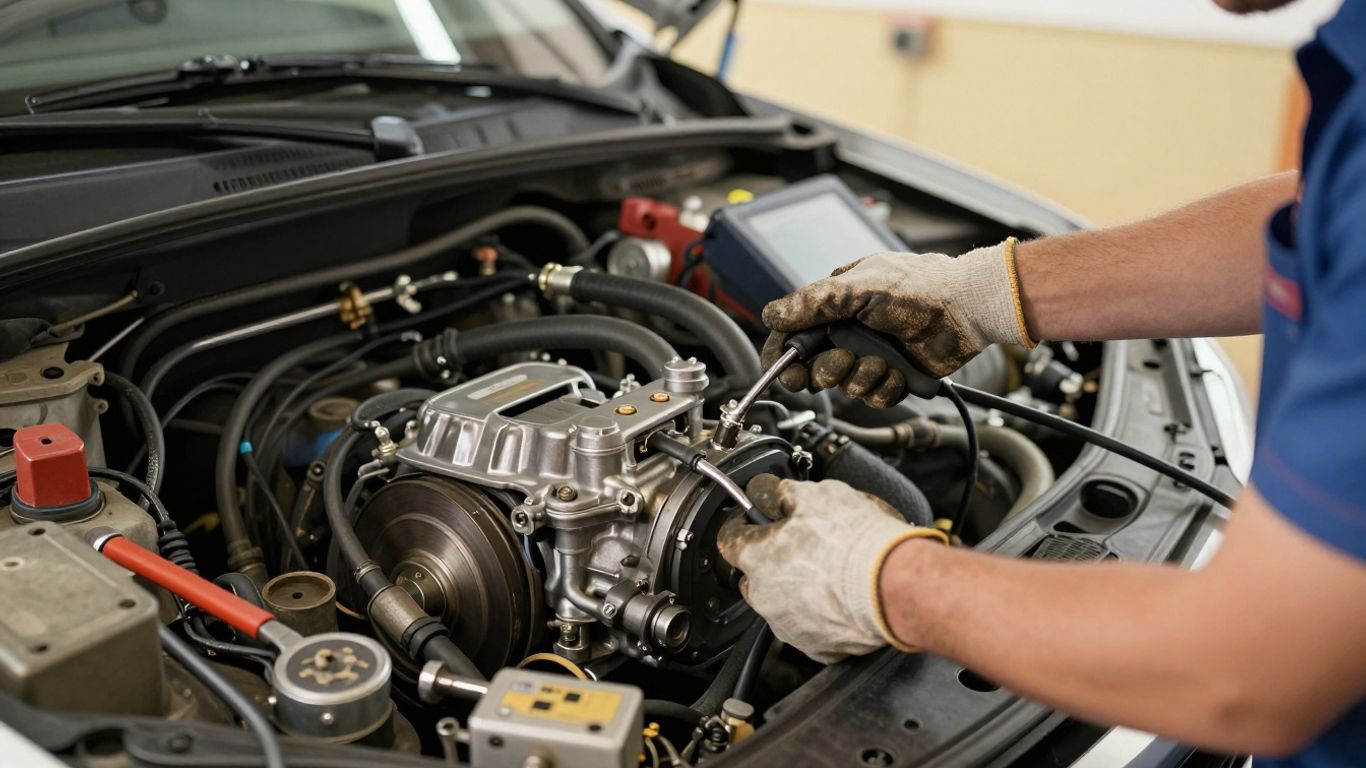
The advertised unit price is only one part of the replacement bill. Shipping, diagnostic time, brake fluid, installation, programming, and possible return freight can change which supplier is genuinely cheapest. Make a simple comparison before ordering so that a lower listing price does not hide a larger final cost.
Compare purchase prices across different suppliers
Ask at least two or three suitable suppliers for comparable quotes. Make sure each quote refers to the same scope: pump only, module only, or a complete pump-and-module assembly. Compare condition, warranty, delivery time, and return rights alongside the price, because a cheaper unit with no remedy may carry more financial risk.
A simple table can keep the comparison honest when listings use different language.
| Supplier type | Typical advantage | Main question to ask | Cost risk to check |
|---|---|---|---|
| Authorized dealer | Strong identification support | Is the quoted unit complete? | New-part and programming charges |
| Specialist retailer | Broader parts selection | What number confirms compatibility? | Return and labor exclusions |
| Wrecker or dismantler | Lower-cost genuine used stock | What is known about the donor vehicle? | Condition and limited warranty |
| Online marketplace | Wide availability | Is this the actual photographed unit? | Freight, tax, and return shipping |
The table is useful only when the rows describe genuinely comparable offers. A quote for a tested complete assembly should not be compared directly with a bare pump that still needs a separate module or coding service.
Factor in shipping, taxes, and core exchange fees
For interstate purchases, confirm the delivery time and whether freight insurance applies to a heavy or delicate assembly. International orders may add taxes, customs charges, currency conversion, and expensive return freight. Some refurbished suppliers also charge a core fee that is refunded only when the old unit is returned in an acceptable condition.
Before paying, ask for the full amount due and the conditions attached to any refund. A written landed-cost estimate makes it easier to compare a local unit with an apparently cheaper overseas listing.
Budget for diagnostics, installation, and coding
The replacement may require diagnostic scanning, removal and refitting, brake bleeding, coding, calibration, or a road test. Labor varies with the vehicle and workshop, so request an estimate that separates parts from services. If the first diagnosis was uncertain, allow for additional testing rather than assuming the replacement will solve every warning light.
When considering financial guidance, resources such as money mindset guidance can be a reminder that practical budgeting works better than optimism alone. For this repair, that means writing down the likely parts, labor, freight, and contingency costs before selecting the cheapest listing.
Weigh repair or refurbishment against replacement
Repairing the existing unit may be worthwhile when the fault is well established and a reputable specialist offers a written warranty. Replacement can be more straightforward when the original unit is badly damaged, unavailable for inspection, or uneconomical to rebuild. Ask what the repair includes and whether the unit must be removed before a final quote is possible.
Do not treat repair as automatically cheaper or replacement as automatically safer. The decision depends on diagnosis, the provider’s process, warranty coverage, vehicle value, and the consequences of another failure.
Make sure the ABS pump is compatible and ready to install
Compatibility includes more than whether the part can be bolted into place. Hydraulic routing, electrical connections, software, mounting brackets, and vehicle configuration all need to align. Confirming these details before dispatch can prevent delays at the workshop and reduce the chance of opening the brake system unnecessarily.
Check hydraulic and electronic compatibility
Compare the number and position of hydraulic ports, connector shape, mounting points, and line orientation with the existing assembly. The electronic module may have a different communication protocol or software configuration even where the housing appears identical. Supply the seller with photos and exact numbers rather than asking for a generic “ABS pump.”
If the vehicle has options such as stability control, traction control, or other braking-related systems, mention them during the compatibility check. Never install a unit simply because it came from the same model family.
Confirm whether programming or calibration is required
Some vehicles need coding, module configuration, steering-angle calibration, or other electronic procedures after an ABS assembly is installed. The requirement depends on the vehicle and the replacement part, so ask the supplier and installer before ordering. Confirm which party is responsible if the unit arrives but cannot be configured.
A useful quote should distinguish mechanical installation from electronic commissioning. That distinction helps you avoid a vehicle that is physically assembled but still carries warning lights or stored faults.
Ask about seals, connectors, and included components
Confirm whether new seals, mounting hardware, connector covers, or hydraulic fittings are included. Ask how the part will be protected during transport and whether any plugs or caps must remain in place until installation. A missing seal or damaged connector can add delay even when the main assembly is correct.
Compare the photographs with the description before dispatch. If the supplier sends a different-looking unit, pause and have the part number checked again rather than allowing the workshop to force an uncertain fit.
Plan for brake bleeding and post-installation testing
Opening the hydraulic system normally means the brakes need to be bled according to the vehicle manufacturer’s procedure. Some systems require scan-tool assistance to cycle the ABS unit during bleeding. The workshop should also inspect for leaks, confirm pedal feel, clear relevant faults, and carry out a controlled road test.
Do not judge success solely by whether the warning light disappears immediately. A complete check should confirm normal brake operation, stable pedal feel, no leaks, and no returning fault codes.
Buy and install an ABS pump safely
An ABS pump is part of the vehicle’s braking system, so the purchase and installation deserve more care than an ordinary cosmetic or convenience component. Take time to verify the order, use appropriate workshop equipment, and keep the vehicle off the road if braking performance is uncertain. A good supplier relationship helps, but it does not replace diagnosis or qualified workmanship.
Ask the right questions before placing an order
Before paying, ask the seller to confirm the exact part number, whether the unit includes the module, its condition, testing performed, warranty, return process, delivery timing, and any programming requirements. Ask for the answer in writing and save the listing or quotation. This gives you a clear reference if the delivered component differs from what was agreed.
A short pre-order checklist is useful when several suppliers are being compared:
- Does the part number match the existing unit or confirmed supersession?
- Is the photographed component the actual item being sold?
- What testing, warranty, and return conditions apply?
- Are coding, bleeding, and installation costs included or separate?
Once these questions are answered, the buying decision becomes clearer and less dependent on a headline price. If the seller avoids basic compatibility questions, choose a different source rather than accepting uncertainty.
Use a qualified brake specialist for installation
Removal and installation can expose the hydraulic system to contamination, air, and fluid loss. A qualified technician can follow the correct procedure, use suitable diagnostic equipment, and identify a separate fault if the replacement does not behave as expected. This is particularly important when the vehicle has integrated stability or traction-control functions.
Ask the workshop whether it can perform coding, calibration, bleeding, and post-installation testing for your vehicle. If not, arrange those services before the work begins so the car is not left partly completed.
Confirm warning-light and fault-code resolution
After installation, the technician should scan the ABS system again and document any remaining codes. Warning lights should be assessed alongside pedal feel, brake-fluid level, leaks, and the results of a controlled road test. A light that returns after clearing codes suggests that further diagnosis is needed, not that the system should simply be reset again.
Keep the final scan results and invoice with the vehicle records. They may help with future diagnosis, warranty discussions, or a later sale.
Understand when a professional diagnosis is essential
Professional diagnosis is essential when the brake pedal feels abnormal, braking performance has changed, multiple warning lights appear, the vehicle pulls under braking, or the fault is intermittent and unclear. It is also the sensible route when you cannot identify the correct assembly or the replacement requires coding. Brake-system uncertainty is not a good place to economize.
For broader health-related cost comparisons, a resource such as pain management guidance discusses the value of individualized diagnostic support; the same general principle applies here, while the actual ABS assessment must come from a qualified automotive professional. Once the cause is confirmed, buying the correct part becomes a much more manageable decision.
Conclusion
The best place to buy abs pumps in australia is not defined by one seller or one price. It is the source that can identify the correct assembly, explain its condition, provide fair warranty and return terms, and support a safe installation. Compare the complete cost, verify compatibility in writing, and leave diagnosis, bleeding, coding, and final testing to a qualified brake specialist.
Frequently Asked Questions
What is the best place to buy an ABS pump in Australia?
The best source is one that can verify the exact part number and vehicle compatibility while offering clear condition, warranty, and return information. Dealers, specialist retailers, wreckers, and online suppliers can all be suitable depending on the vehicle and budget.
Should I buy a new, refurbished, or used ABS pump?
Choose based on diagnosis, availability, warranty, total cost, and the seller’s testing information. A used or refurbished unit can be practical when its compatibility and support are clear, while a new unit may offer greater supply certainty at a higher price.
How do I know whether an ABS pump will fit my car?
Compare the VIN, vehicle variant, existing unit’s part number, connectors, hydraulic ports, and module details. Ask the supplier to confirm compatibility in writing before payment, especially if the vehicle has unusual options or a model-year change.
Does an ABS pump need to be programmed after installation?
Some vehicles require coding, calibration, or other electronic procedures after installation, while others do not. Confirm the requirement with a qualified technician who has access to the vehicle’s diagnostic system.
How much does ABS pump replacement cost?
The total depends on the part condition and price, freight, taxes, diagnostics, labor, brake fluid, bleeding, coding, and possible return or core fees. Compare complete written estimates rather than the component price alone.
Can I install an ABS pump myself?
Because the pump forms part of the braking system, installation is best handled by a qualified brake specialist. The work may involve opening hydraulic lines, bleeding the brakes, scanning faults, coding, and testing the vehicle afterward.
What should I do if the ABS warning light stays on after replacement?
Stop treating the replacement as complete and have the system rescanned and inspected. The remaining fault may involve wiring, sensors, calibration, hydraulic bleeding, or an incorrect replacement unit, so further diagnosis is safer than repeatedly clearing the code.