

Key Takeaways
A reliable ABS pump supplier should be able to answer specific questions about fitment, condition, testing, and delivery—not just offer a low price. A little preparation makes those answers easier to compare.
- Record the vehicle details and part numbers before requesting quotes.
- Compare suppliers on relevant inventory, fitment checks, testing, and support.
- Get condition, warranty, shipping, and return terms in writing.
- Check references and business details before sending payment.
- Use a small trial order to verify the supplier’s process before scaling up.
Define your ABS pump requirements
Before contacting sellers, define what the part must fit and what condition you will accept. A precise request reduces the chance of comparing quotes for different components or incompatible versions. It also makes it easier to judge whether a supplier has understood the job. Start with the vehicle and part information you can verify.
Identify the vehicle makes, models, and years you need to support
Make a list of the vehicle makes, models, and model years your repair shop or parts operation serves. Where relevant, record trim, engine, drivetrain, and brake-system details as well; vehicles that look similar may use different ABS assemblies. If you are sourcing for a single repair, use the vehicle identification number (VIN) as a reference, while avoiding assumptions that a year and model alone guarantee a match. The more complete the vehicle profile, the more useful a supplier’s fitment response will be.
Specify new, remanufactured, or used units
Decide which product conditions are acceptable before you compare prices. New, remanufactured, and used units can differ in availability, inspection history, warranty, and expected cost, so a quote should state the condition plainly. If you are still weighing options, this overview of ABS replacement choices can help frame the questions to discuss with a qualified mechanic. Keep the chosen condition consistent across quotes, or label any alternatives clearly.
Record part numbers and compatibility requirements
Write down the part number on the original unit when it is accessible, and note any superseding numbers or compatibility information provided by the vehicle manufacturer. A supplier should be able to explain what information it uses to confirm fitment rather than asking you to rely on appearance alone. For example, a listing for VIN-matched ABS parts illustrates why fitment details belong in the sourcing conversation. Keep your notes together so that every quote can be checked against the same reference.
A simple comparison record helps catch mismatches early. Use it to distinguish confirmed details from questions that still need an answer:
| Detail to record | Your information | Supplier confirmation |
|---|---|---|
| Vehicle make, model, and year | Exact vehicle details | Confirmed or needs review |
| VIN or vehicle configuration | Available identifiers | Fitment method stated |
| Original part number | Number and any suffix | Compatible number confirmed |
| Required unit condition | New, remanufactured, or used | Condition stated in quote |
After filling this in, follow up on any blank or uncertain field before approving an order. A confident-sounding response is less useful than one that identifies the exact reference being checked.
Estimate order volumes and delivery timelines
Estimate how many units you need and when they must arrive, allowing some room for repair schedules or changing demand. A supplier may have one unit available now but need additional time to source a larger quantity. Separate urgent one-off requirements from forecast demand so a seller can quote each accurately. This is also where you can test whether the supplier gives a clear answer about availability rather than treating an estimate as a promise.
Evaluate supplier experience and product range
A supplier’s range matters only when it matches the vehicles and ABS components you actually need. Look for evidence that the business regularly handles ABS parts and can explain its coverage without relying on vague claims. Ask practical questions, then compare how directly and consistently they are answered. You are assessing both inventory and the process behind it.
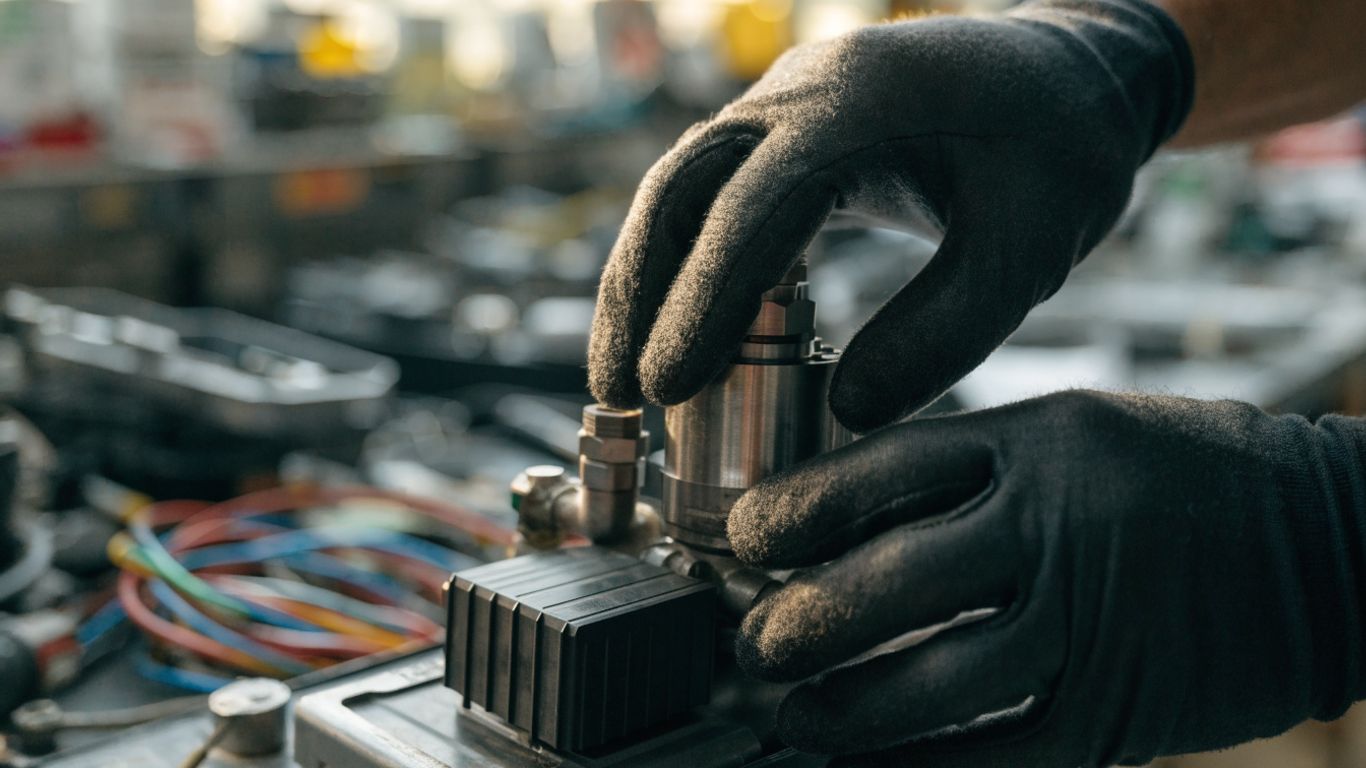
Check how long the supplier has specialized in ABS components
Ask how long the supplier has handled ABS components and what kinds of units it routinely sources. Time in business can offer context, but it does not prove that a particular part is suitable or properly tested. Ask for concrete details about how orders are identified, checked, and supported. Specific answers matter more than broad assurances when a component has to match a particular vehicle.
Confirm coverage across relevant vehicle brands and models
Compare the supplier’s stated coverage with the makes and models on your requirements list. A broad catalog is not automatically useful if key applications are missing or listings do not distinguish between similar configurations. Ask whether the supplier can confirm availability for the specific part numbers you have recorded, and request a clear statement when an application cannot be verified. That keeps a large product range from being mistaken for confirmed fitment.
Ask how the supplier verifies fitment and part numbers
Find out what the supplier checks before confirming that an ABS pump is compatible. The process may involve comparing vehicle identifiers, part numbers, or other application details; ask which details they need from you and what they will confirm in return. If an answer is only a visual match or a general model-year claim, pause and ask for clarification. Record the confirmation with the quote so there is a shared reference if a question arises later.
Look for technical support from knowledgeable staff
Useful support is specific and practical: staff should be able to explain what information is missing, who can verify an application, and how to proceed when a part number is uncertain. Notice whether the answers remain consistent across phone, email, or written quotes. A clear boundary is a good sign, too; a responsible representative should say when they cannot confirm a fitment rather than guessing. Keep a record of any technical guidance you rely on.
Verify product quality and testing
An ABS pump is a safety-related component, so ask how its condition is assessed before purchase. Do not assume that the word “tested” means the same thing from one seller to another. Request a plain description of the inspection steps and the documentation available for the specific unit. Then compare that information with the warranty and returns policy.
Ask about inspection and testing procedures
Ask what inspection or testing is performed on the unit you are considering, and whether the supplier can provide a record tied to that part. A useful answer describes the scope of the check without implying that every failure mode has been ruled out. These questions can keep the conversation focused:
- What checks are performed before the unit is listed or shipped?
- Is the inspection result linked to the specific part or order?
- Are any limitations or untested functions disclosed?
- What should the buyer do if the part arrives with a problem?
Use the replies to compare suppliers on the clarity and relevance of their process, not merely on whether they use the word “tested.” If a detail affects your acceptance decision, ask for it in writing before ordering.
Review quality certifications and traceability records
Ask whether the supplier holds certifications relevant to the product or its quality-management process, and request details rather than relying on a logo or general claim. For an individual unit, traceability may include the supplier’s stock reference, inspection record, or other documentation connecting the part to the order. The important question is whether the evidence applies to the ABS pump you will receive. Keep copies with your purchasing records.
Compare warranty terms for different product conditions
Read warranty terms for the exact product condition you are buying. Check the duration, what the warranty covers, any exclusions, and whether labor, return shipping, or diagnostic costs are included. Terms can differ between new, remanufactured, and used units, so avoid assuming that one policy applies to all listings. Ask the supplier to identify the applicable terms on the quote or order confirmation.
Clarify how defective or incompatible units are handled
Before payment, ask how to report a defective or incompatible unit, what evidence is required, and what steps follow after a claim is opened. Confirm any return window and whether the part must be returned in its original packaging. A process that is easy to locate and understand is more useful than an informal assurance that issues will be handled fairly. Save the response alongside the invoice and fitment confirmation.
Assess pricing, availability, and logistics
A useful quote spells out more than the unit price. It should help you understand what condition is being supplied, when the part can ship, what delivery method is proposed, and which costs may be added. Compare each offer on the same basis, especially when one supplier quotes a bare item price and another includes freight or warranty terms. Clarity now can prevent avoidable delays later.
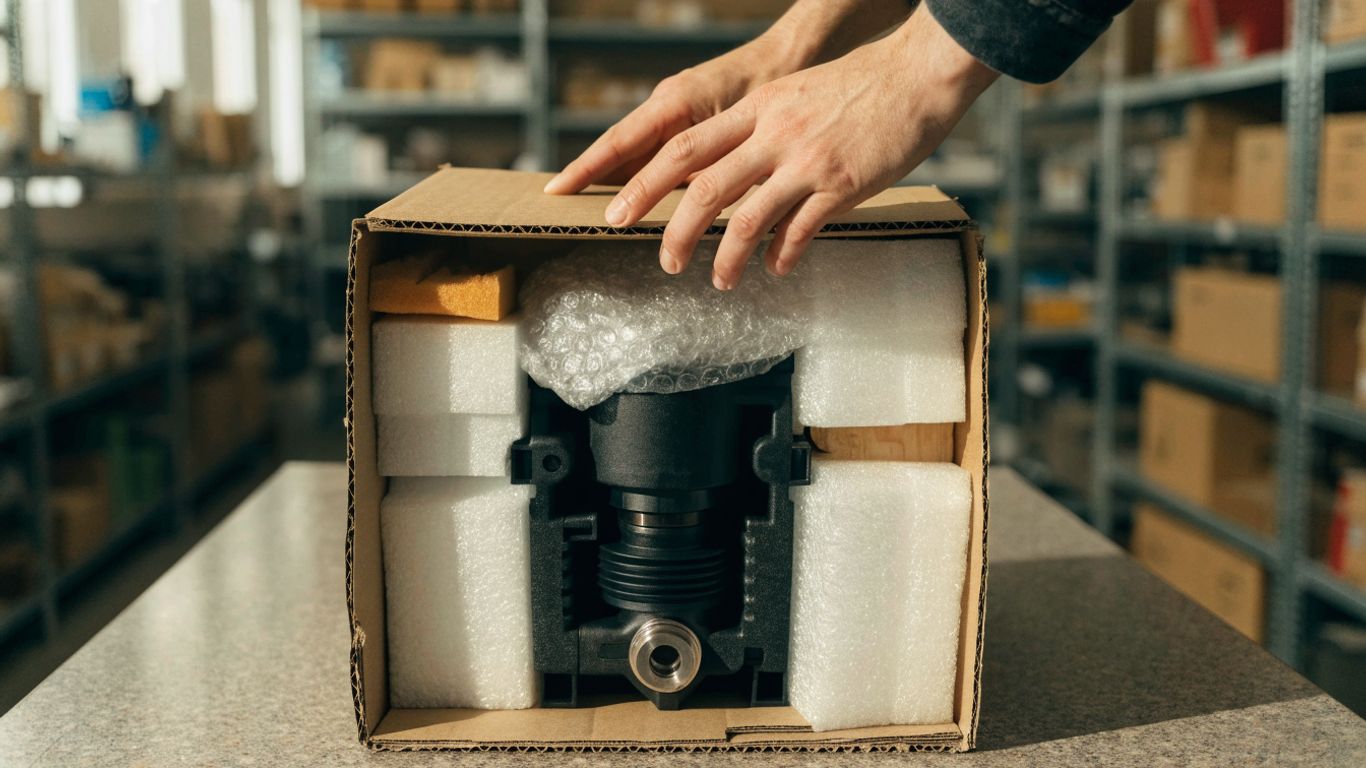
Compare itemized quotes rather than headline prices
Request an itemized quote that identifies the part, condition, price, shipping, warranty, and any fees. Check that the quoted part number and vehicle application match your notes; a low price for a different unit is not a meaningful comparison. If suppliers offer different conditions, label those offers separately rather than treating them as equivalent. A complete quote gives you a fair basis for deciding what the purchase will actually cost.
Confirm stock levels and lead times before ordering
Ask whether the unit is physically in stock, being sourced, or available only on an estimated date. Confirm the expected dispatch time and delivery window, and ask how the supplier will notify you if either changes. Estimates can shift, particularly when a part is not immediately available, so clarify what happens if the timing no longer suits your repair schedule. Keep the written response with the order details.
Review shipping options, packaging, and tracking
Check which carrier and shipping service the supplier proposes, whether tracking will be provided, and how the part will be protected in transit. For an assembly with connectors or exposed surfaces, ask how it will be packed and whether any handling requirements apply. Different shipping options can change both cost and arrival time, so compare them as part of the full quote rather than after purchase. Clear dispatch information also gives you a useful point of contact if a shipment is delayed.
Account for import duties and other potential costs
If a shipment crosses a border, ask which charges are included in the quote and which may be payable on arrival. Duties, taxes, brokerage, or local delivery charges can affect the final cost, and responsibility can depend on the shipping arrangement. Online searches may turn up a mix of unrelated buying guides, from bumper stickers and Chinese car exports to Doormatic garage doors, restaurant design teams, and Saakshi’s Kitchen; none of those is a substitute for confirming the terms of your own ABS-parts shipment. Ask the supplier to spell out the applicable charges and keep that answer with the quote.
Check supplier reputation and business reliability
Reputation is most useful when it comes from buyers with a similar purchasing need and describes more than a general impression. Look for details about fitment accuracy, communication, shipping, and how problems were handled. Then verify the supplier’s contact information and payment terms independently. A polished website alone cannot answer those questions.
Look for detailed reviews from relevant buyers
Read reviews that explain what was ordered, whether the part matched the stated application, and how the seller handled any issue. A pattern across several detailed accounts is more informative than a single glowing or negative comment. Be cautious about reviews that provide no context or repeat the same generic wording. Use feedback as one source of evidence, then confirm important terms directly with the supplier.
Request trade references or examples of past orders
For a larger or recurring purchase, ask whether the supplier can provide trade references or examples of comparable orders, with customer information protected where appropriate. A reference is most useful when it can speak to a similar part category, order size, or delivery arrangement. You can also ask what documentation the supplier normally provides after dispatch. If the response is vague, decide whether the remaining uncertainty is acceptable before committing.
Verify business contact details and payment terms
Check that the business has consistent contact details across its quote, invoice, and communication channels. Confirm the payment method, when payment is due, and what written order confirmation you will receive. Avoid sending funds to an account or recipient that does not match the business information without first obtaining a clear explanation. Keep the quote, invoice, and relevant messages in one place.
Watch for unusually low prices or vague product information
A price well below comparable offers is a reason to ask more questions, not proof of a problem by itself. Check that the listing identifies the unit’s condition, part number, fitment basis, warranty, and return terms. Be cautious if those details change during the conversation or the seller avoids answering direct questions. A supplier willing to clarify the offer gives you a better basis for deciding whether the price is genuinely favorable.
Validate the supplier with a trial order
When the order is not urgent and the risk of a larger commitment is meaningful, a small trial can test the supplier’s process in practice. Choose a representative part that lets you check fitment confirmation, packaging, timing, and communication. Agree on the same written terms you would expect for a larger order. Then document what happened while the details are fresh.
Start with a small order for a representative part
Choose a part that is typical of your future purchasing needs, rather than an unusual exception that tells you little about the supplier’s routine. Confirm the part number, condition, price, warranty, and expected delivery before placing the order. A small order limits exposure while still giving you a real view of how the transaction is managed. Do not skip the normal checks just because the trial quantity is low.
Check the shipment against the quote and fitment details
When the shipment arrives, compare the part and its identifying details with the quote and the fitment confirmation. Note any difference in condition, labeling, packaging, or documentation, and contact the supplier promptly if something does not match. The point is to test whether the information provided before purchase corresponds with what was delivered. Keep photographs and order records if you need to resolve a discrepancy.
Evaluate delivery speed and communication
Compare the actual dispatch and arrival dates with the estimate, taking the carrier’s transit time into account. Consider whether the supplier sent tracking information, responded to questions, and notified you about any change. A single delay may have a straightforward explanation, but a lack of updates can still be relevant to future orders. Judge the whole communication pattern rather than one message in isolation.
For a visual overview of the kinds of details buyers may want to document during inspection, use the video as a general reference rather than as confirmation of a particular part’s fitment.
The trial is useful only if you compare the result with the expectations you set beforehand. Write down what met the agreed terms and what needs clarification before ordering again.
Document results before placing repeat or bulk orders
Create a short record of the trial: what was ordered, what arrived, whether the part matched the confirmation, and how the supplier handled questions. Include actual timing and any costs that were not obvious from the initial quote. If there were problems, note whether they were resolved and what evidence supported the resolution. Use that record to set conditions for repeat or bulk orders, and reassess if the supplier’s terms change.
Conclusion
Finding a reliable ABS pump supplier comes down to clear requirements, verifiable fitment and quality information, transparent commercial terms, and a process you can test before committing to larger orders. Take time to compare the details, keep important answers in writing, and let the evidence—not the headline price—guide your decision.
Frequently Asked Questions
What information should I give an ABS pump supplier?
Provide the vehicle make, model, year, and available identifiers such as the VIN and original part number. Include the required unit condition, quantity, and delivery timing so the supplier can answer against a clear request.
Is a used ABS pump a suitable option?
It may be an option depending on the vehicle, the unit’s condition, fitment, testing information, and warranty terms. Ask how the seller identifies and checks the specific part, and consult a qualified mechanic when you are unsure.
How can I confirm an ABS pump will fit my vehicle?
Compare the part number and vehicle details with the supplier’s written fitment confirmation. Do not rely on a visual resemblance or a general model-year listing when important configuration details have not been checked.
What should an ABS pump quote include?
A useful quote identifies the part and its condition, price, shipping charges, estimated timing, warranty terms, and any additional fees. It should also make clear which vehicle application or part number the supplier has confirmed.
What testing questions should I ask a supplier?
Ask what inspection or testing is performed, whether the result is tied to the specific unit, and what limitations apply. Also clarify how to report a defect or incompatibility and what documentation is available.
Should I place a trial order before buying in bulk?
A small trial can help you assess fitment communication, packaging, delivery, and issue handling before making a larger commitment. It is most useful when you record the agreed terms and compare the delivered order against them.
What should I do if the delivered part does not match the order?
Contact the supplier promptly, refer to the written quote and fitment confirmation, and preserve the packaging and order records. Follow the stated return or warranty process and document the responses and resolution.