

Key Takeaways
A pulsing brake pedal is a symptom, not a diagnosis. Its timing and feel can help a mechanic narrow down the cause, but an inspection is needed to confirm it.
- Pulsation during braking can come from uneven rotor surfaces or thickness, runout, worn parts, or related wheel and suspension issues.
- A brief pedal buzz during ABS activation on a slippery surface can be normal; recurring pulsation during ordinary stops deserves attention.
- Pulling, grinding, a soft pedal, warning lights, or reduced braking call for prompt professional assessment.
- A mechanic can inspect brake components, measure rotor variation and runout, check related parts, and reproduce the symptom on a road test.
- Repair choices depend on the diagnosis, the vehicle, and the condition of its parts; proper installation and maintenance can help prevent a repeat.
What brake pedal pulsation feels like
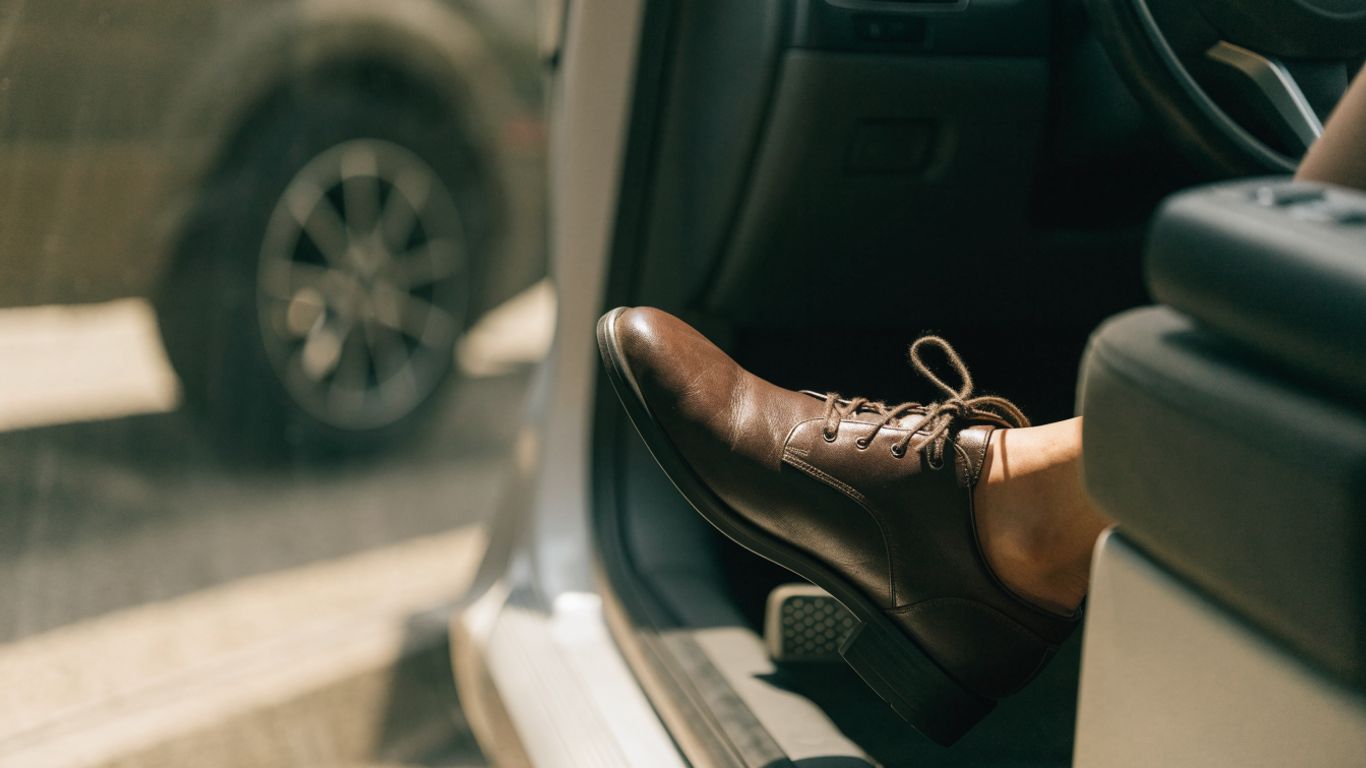
Brake pedal pulsation when stopping can feel like a rhythmic push or flutter beneath your foot as the vehicle slows. It may be faint at first, then become easier to notice as braking continues. The pattern, speed, and force involved are useful clues, but they do not identify the cause on their own. A brake vibration overview can provide general background, while a mechanic can check what is happening on your vehicle.
Pulsation in the pedal versus vibration in the steering wheel
A sensation concentrated in the pedal may point toward changes in braking force as the wheels turn. A steering-wheel shake during braking can also be related to the front brakes, though tire, wheel, or suspension problems can feel similar. Some drivers notice both sensations, or feel vibration through the seat. Describe exactly where you feel it and whether it happens only with the brakes applied.
When the symptom occurs, including speed and braking force
Notice whether the pulsation appears while braking from higher speeds, at low speed near a stop, or throughout a range of speeds. Also consider whether it happens with light pedal pressure or only during firmer braking. These details help the mechanic reproduce the concern. They are clues rather than proof: similar symptoms can have different causes, and a brake pulsation guide is no substitute for inspecting the vehicle.
How ABS feedback differs from pulsation during routine stops
Anti-lock braking system (ABS) feedback is usually a rapid chatter or buzz that occurs when the system intervenes to help prevent wheel lock, often on a slippery or uneven surface. A repeating pulse during ordinary stops on dry, even pavement is different and should be checked. If the ABS activates only briefly when traction is poor, that may be normal. A guide to ABS and brake pedal feedback can help explain the distinction, but warning lights or unexpected repeated activation deserve professional attention.
Common causes of brake pedal pulsation
The braking system depends on consistent contact between the pads and rotors to slow the wheels. A change in the rotor surface, the way it sits against the hub, or the movement of other components can interrupt that consistency. Several issues can feel alike from the driver’s seat, so it helps not to assume a rotor is warped based on sensation alone. The sections below describe common possibilities, including causes of pulsating brakes.
Uneven brake rotor thickness or surface deposits
If rotor thickness varies around its surface, the brake pads can meet slightly different resistance as the rotor turns. Uneven material deposits on the rotor face may also create changing friction during a stop. Both can produce a repeating sensation through the pedal. Reading about friction and rotor deposits can clarify why the surface matters, but measurement and inspection are needed to tell which condition, if any, is present.
Rotor runout from installation issues or hub corrosion
Rotor runout means the rotor does not rotate in a perfectly even plane. Corrosion, dirt, or another irregularity where the rotor meets the hub can affect how it sits; installation details can also matter. Over time, excessive runout may contribute to uneven wear and a recurring pulse. A mechanic checks the rotor and mounting surface rather than deciding from the pedal sensation alone.
Worn brake pads, calipers, or other braking components
Pads that are worn unevenly, or components that prevent them from moving freely, can create inconsistent contact. A sticking caliper or restricted hardware may also cause uneven wear or continued friction. A driver might notice heat, noise, or a change in braking response, but the absence of those signs does not rule out a problem. The cause needs to be verified before parts are replaced.
Suspension and wheel-bearing problems that can mimic brake vibration
A loose or worn wheel bearing, suspension component, tire, or wheel can produce vibration that becomes more obvious as the vehicle slows. Sometimes the sensation appears mainly during braking even though the source is not a rotor or pad. That is one reason diagnosis should include the nearby wheel and suspension components, not just the friction parts. A careful check keeps a similar-feeling symptom from being mistaken for a brake fault.
How serious the problem may be
A mild, occasional pulse is not enough to tell how safe a vehicle is, but recurring vibration while braking should not be ignored. The seriousness depends on the underlying cause and whether braking performance has changed. Pay attention to other symptoms and avoid testing the brakes with sudden stops in traffic. If you are unsure whether the vehicle can be driven safely, arrange professional advice rather than taking a risk.
Signs that call for immediate attention
Some symptoms suggest that the vehicle should be assessed promptly, and that driving may not be safe. Stop in a safe place if you can do so without abrupt maneuvers and seek assistance when braking feels unreliable. Watch for these warning signs:
- A brake pedal that suddenly feels soft, sinks, or travels much farther than usual.
- Grinding, scraping, or another severe new noise while braking.
- The vehicle pulling sharply to one side or taking noticeably longer to stop.
- A brake warning light, fluid leak, or visible damage near a wheel.
These signs do not identify a single fault, but they raise the stakes. A mechanic can determine whether the vehicle needs repair before it is driven again.
Why stopping distance and vehicle control can be affected
Pulsation may be a sign that braking force is not being applied evenly, or that another wheel or suspension problem is affecting control. If a component is worn, sticking, or damaged, the vehicle may not respond as expected under braking. A driver who feels vibration may also find it harder to judge how firmly to press the pedal. Until the cause is known, leave more space when appropriate and avoid unnecessary trips.
When brief ABS activation may be normal
A brief rapid pulsing sensation can occur when ABS intervenes on a slippery or loose surface. In that moment, the system is responding to a risk of wheel lock, and the feedback can feel quite different from a steady rhythmic pulse during routine braking. If it happens repeatedly on dry, predictable roads, or an ABS warning light remains on, get the system checked. Do not assume every pedal pulse is normal ABS operation.
How a mechanic diagnoses the cause
Diagnosis starts with the conditions under which the symptom occurs and a review of the vehicle’s braking behavior. The mechanic can then inspect the braking system and related parts, and use measurements to distinguish rotor variation from runout or another cause. A road test may help reproduce the concern when it is safe to do so. The aim is to find the source before recommending work, rather than replacing parts based on a guess.
Inspecting pads, rotors, calipers, and brake fluid
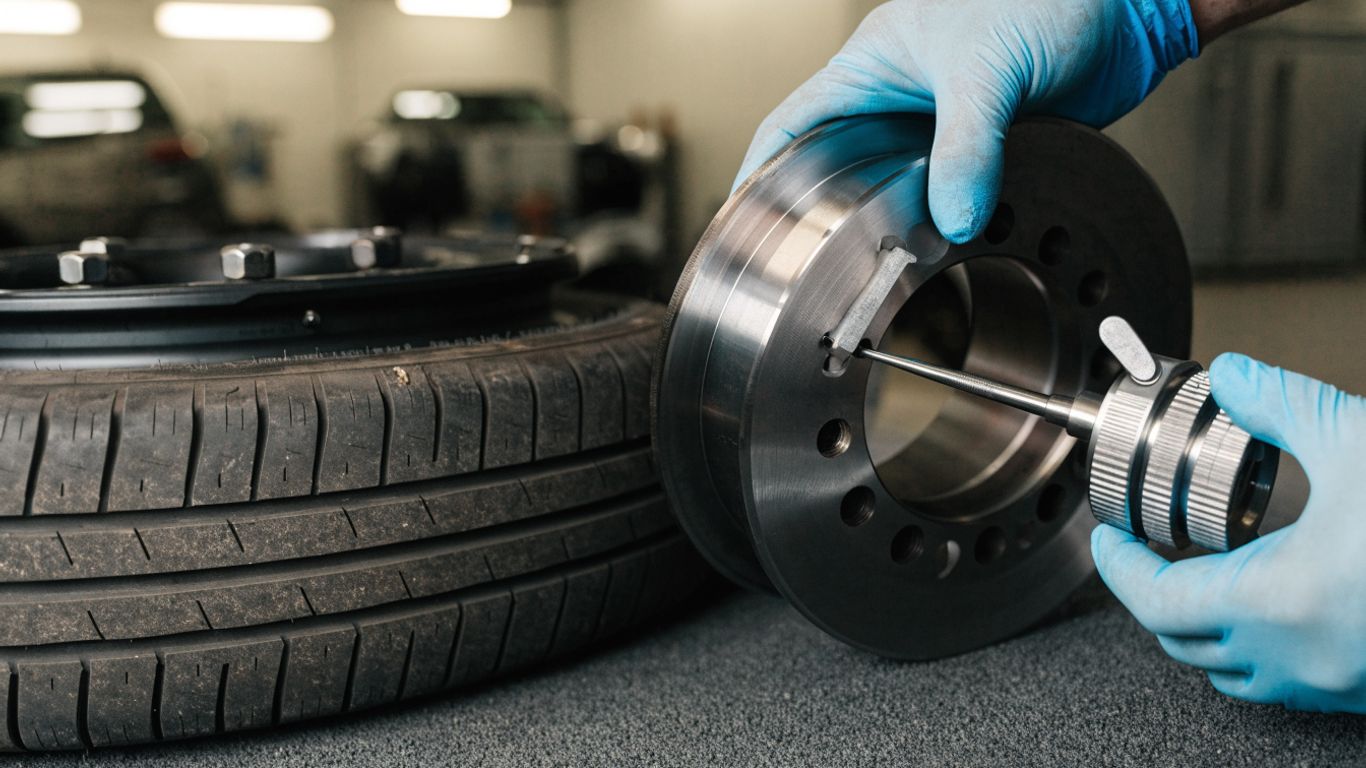
A visual inspection can reveal pad wear, rotor surface condition, damaged hardware, or signs that a caliper is not moving as it should. The mechanic may also check the brake fluid and look for leaks or other concerns that could affect pedal feel. Comparing wear from side to side can add useful context. The inspection helps identify visible issues, though measurements and further checks may still be needed.
Measuring rotor thickness variation and runout
A mechanic can measure rotor thickness at multiple points and check how much the rotor moves out of plane as it turns. These are related but distinct checks: thickness variation concerns differences across the rotor, while runout concerns how evenly it rotates. The results can help establish whether a rotor is within the vehicle’s specifications. Measurement provides a firmer basis for repair decisions than visual appearance alone.
Checking wheel bearings, suspension, and tire condition
If the brake inspection does not fully explain the symptom, the mechanic may inspect wheel bearings, suspension parts, and tires. Excessive movement, wear, damage, or uneven tire condition can contribute to a vibration that resembles brake pulsation. The inspection may also include the wheel and hub surfaces where the rotor mounts. This wider check helps catch problems that a brake-only inspection could miss.
Using a road test to reproduce the pulsation
When conditions allow, a road test can help the mechanic feel when the symptom begins and how it changes with speed and pedal pressure. They may compare the pedal sensation with steering-wheel vibration or vehicle pull. A test should be performed safely, not by making repeated hard stops on public roads. Afterward, the road-test observations can be compared with inspection and measurement results.
Repair options based on the diagnosis
There is no single repair for every pulsing pedal. The right approach depends on what the inspection finds, the condition of the parts, and the specifications for the vehicle. A mechanic may recommend servicing a component, replacing it, or checking for related issues that could make a repair fail to last. Ask how each proposed item connects to the measured or observed cause.
Resurfacing or replacing brake rotors
If a rotor is suitable for machining and will remain within the manufacturer’s minimum thickness specification afterward, resurfacing may be an option. A rotor that is too thin, badly damaged, or otherwise unsuitable may need replacement. The mechanic should explain the measurement and why the proposed choice fits the vehicle. Replacing a rotor without addressing a mounting issue or related fault may not resolve a returning symptom.
Replacing pads and servicing or replacing calipers
Worn pads may need replacement, while a caliper or its hardware may need service or replacement if it is sticking or damaged. The mechanic should check for the reason behind uneven wear rather than fitting new pads and leaving a cause in place. Brake parts should be selected to suit the vehicle and installed according to its requirements. Once the work is done, the system should be checked for correct operation.
Correcting hub, wheel-bearing, or suspension problems
If corrosion or debris at the hub is affecting rotor fit, cleaning or correcting the mounting surface may be part of the repair. A worn bearing or suspension component requires attention based on its condition and vehicle specifications. Replacing only the rotor will not correct a separate source of vibration. Ask the shop to explain how the repair addresses the diagnosis and what checks will confirm the result.
Why replacing parts in matched pairs may be recommended
A mechanic may recommend replacing some brake parts on both sides of the same axle so braking behavior remains balanced. Whether that is appropriate depends on the part, the vehicle maker’s guidance, and the condition of each side. Ask whether the recommendation is based on wear, specifications, or a repair procedure. A matched repair is not a substitute for inspecting both sides and identifying the original cause.
What affects repair cost and timing
The cost and turnaround depend on what the inspection finds, which parts are needed, and how accessible they are on the vehicle. An estimate may change if additional wear or damage becomes visible after disassembly. Before approving work, ask what is confirmed and what is still uncertain. A clear explanation makes it easier to compare the repair plan with the symptom you reported.
Parts and labor that influence the estimate
The estimate can include parts, labor, inspection or measurement time, and any additional work needed to correct a related fault. Rotor condition, pad wear, caliper operation, and hub or suspension issues all affect the scope. Ask the shop to separate the recommended repair from optional work and explain the reason for each item. If the estimate includes used, genuine, or aftermarket parts, ask what is proposed for your vehicle and why.
How vehicle type and parts availability affect turnaround
The design of the vehicle affects how much time access and repair may take. Parts availability can also influence the schedule, especially if a specific component is not in stock. A supplier network may offer used, genuine, and aftermarket parts, but suitability and fit still need to be confirmed for the vehicle. Ask when the shop expects to have the parts and whether that estimate depends on inspection findings.
Questions to ask before approving brake work
Before authorizing a repair, ask for the findings that support it and what the shop will check afterward. Keep the conversation focused on the car: unrelated pages about forex trading, game-day number necklaces, firearm shipping restrictions, or porn-induced erectile dysfunction offer no help diagnosing a brake concern. Likewise, eigenKOR Google Business Profile management concerns business listing management, not brake repair. For the actual estimate, these questions are more useful:
- What measurements or inspection findings explain the pulsation?
- Which parts are necessary now, and which are optional?
- Will the repair address any hub, caliper, bearing, or suspension issue found?
- What is the expected cost and timing, including any parts delay?
The answers should connect the proposed work to the vehicle’s condition. If an explanation is unclear, ask the shop to walk through it before approving the estimate.
How to reduce the chance of pulsation returning
Preventing a repeat starts with proper installation and following the instructions for the parts fitted to the vehicle. Driving conditions also matter, but no habit can guarantee that a brake problem will not return. If a new vibration appears, addressing it early may help prevent a small issue from becoming a broader repair. Keep an eye on changes in pedal feel, noise, and vehicle response.
Following proper brake bedding procedures
When new pads and rotors are installed, follow the bedding procedure provided by the part maker or repair shop. The correct process can vary by component, so avoid relying on a generic set of steps that may not suit the parts fitted. Ask the mechanic to explain any initial-use guidance before leaving the workshop. Following those instructions helps the parts settle in as intended.
Keeping wheel fasteners clean and correctly torqued
Wheel fasteners should be clean and tightened to the vehicle maker’s specified torque. Dirt or corrosion on mating surfaces and incorrect tightening can affect how the wheel and brake components sit together. After wheel work, ask whether the fasteners were torqued with the correct procedure and equipment. Do not retighten by guesswork or use an arbitrary torque value.
Avoiding repeated hard braking when it is safe to do so
When traffic and road conditions allow, leave enough following distance to slow smoothly rather than braking sharply at the last moment. On long descents, use the vehicle’s recommended driving approach and avoid resting a foot on the brake pedal. These habits may reduce unnecessary brake stress, but safety comes first: brake firmly when the situation requires it. If the pedal begins pulsing during normal stops, arrange an inspection rather than trying to drive around the symptom.
Scheduling inspections when new vibration appears
A new or recurring vibration is a good reason to have the brakes and related components checked. Mention when it happens, how strong it feels, and whether you notice noise, pulling, warning lights, or a change in stopping. That information can help the mechanic reproduce the symptom. Early inspection is more useful than waiting for the pedal feel to become severe.
Conclusion
A pulsing brake pedal can come from several different problems, from uneven rotor contact to a wheel or suspension issue, and its feel alone cannot identify the cause. Note when it occurs, take warning signs seriously, and have a mechanic inspect and measure the relevant components. A repair based on the diagnosis, followed by correct installation and care, is the best route toward steady braking again.
Frequently Asked Questions
Is brake pedal pulsation when stopping always caused by warped rotors?
No. Uneven rotor thickness or deposits can cause pulsation, but runout, worn or sticking components, wheel bearings, tires, or suspension parts may produce a similar sensation. Inspection and measurement help distinguish them.
Can I keep driving if my brake pedal pulses?
It depends on the symptom and the vehicle’s braking performance. Arrange an inspection for recurring pulsation, and stop driving and seek help if the pedal feels soft, the vehicle pulls sharply, braking worsens, or you hear severe grinding.
Why does the pedal pulse only at higher speeds?
The sensation may become easier to notice as the wheels turn faster, but that timing alone does not confirm a cause. Tell the mechanic the speed range and braking force involved so they can try to reproduce it safely.
Is a pulsing brake pedal during ABS activation normal?
A brief rapid buzz or chatter can be normal when ABS intervenes on a slippery or loose surface. Pulsation during routine stops on dry roads, or a warning light that stays on, should be checked.
Can worn brake pads cause pedal pulsation?
Unevenly worn pads or parts that restrict pad movement can contribute to inconsistent braking feel. A mechanic should inspect the pads, calipers, and related hardware to find the cause before recommending replacement.
Will resurfacing the rotors fix the problem?
It may help if the rotors are suitable for resurfacing and the measured condition supports that repair. Rotors below their minimum thickness, or pulsation caused by another fault, require a different solution.
How can I reduce the chance of brake pulsation returning?
Follow the bedding instructions for replacement parts, make sure wheel fasteners are installed and torqued correctly, and arrange an inspection when new vibration appears. These steps help, but cannot guarantee a problem will not recur.