

Key Takeaways
ABS pump trouble is easier to prevent when brake fluid, electrical connections, and warning signs receive steady attention. Follow the vehicle maker’s guidance, and have unfamiliar symptoms diagnosed rather than repeatedly reset.
- Replace brake fluid on the schedule specified in the owner’s manual.
- Use the exact fluid type listed for the vehicle.
- Look for leaks, corrosion, and damaged wiring during routine checks.
- Treat an ABS warning light as a reason to arrange a diagnosis.
- Stop driving and seek help if the conventional brakes feel unsafe.
Understand what puts an ABS pump at risk
An ABS pump works as part of a system, so a warning or failure does not automatically mean the pump itself is at fault. Wear, moisture, contaminated fluid, damaged wiring, and other faults may affect the system’s operation. Knowing the basics can help you recognize why early checks matter without trying to diagnose a complex brake system by guesswork.
How the ABS pump and hydraulic control unit work
During hard braking, ABS uses information from wheel-speed sensors to help manage brake pressure and reduce the chance of a wheel locking. The pump and hydraulic control unit work with the system’s electronic controls to regulate that pressure. The exact design varies by vehicle, but the parts need clean fluid, sound connections, and reliable electrical power to function as intended.
Common causes of premature pump failure
A pump can be affected by problems elsewhere in the system, including old or contaminated brake fluid, leaks, corrosion, and electrical faults. A warning light may also point to a sensor or wiring issue rather than a failed pump. A guide to ABS faults outlines how varied the causes can be, which is why diagnosis is more useful than replacing a part based on a symptom alone.
The table below separates common risk factors from sensible first steps. It is a guide for noticing concerns, not a way to confirm a fault.
| Risk factor | What you might notice | Sensible next step |
|---|---|---|
| Aged or contaminated fluid | Fluid service is overdue or its condition is uncertain | Check the service schedule and arrange inspection |
| A leak | Wetness near a line, hose, or brake component | Avoid topping up and ignoring the source; seek repair |
| Electrical issue | ABS light or intermittent system warning | Arrange a scan and electrical diagnosis |
| Physical damage or corrosion | Damaged line, connector, or visible rust | Have the affected area assessed promptly |
Taken together, these clues help you explain the concern to a technician. They do not identify the failed component on their own.
How age, moisture, and contamination affect the system
Brake fluid can absorb moisture over time, and contamination may affect the hydraulic system. That is one reason service intervals matter even when the vehicle seems to brake normally. Early attention to fluid condition can help prevent a small maintenance issue from going unnoticed until a warning appears.
Maintain brake fluid and the hydraulic system
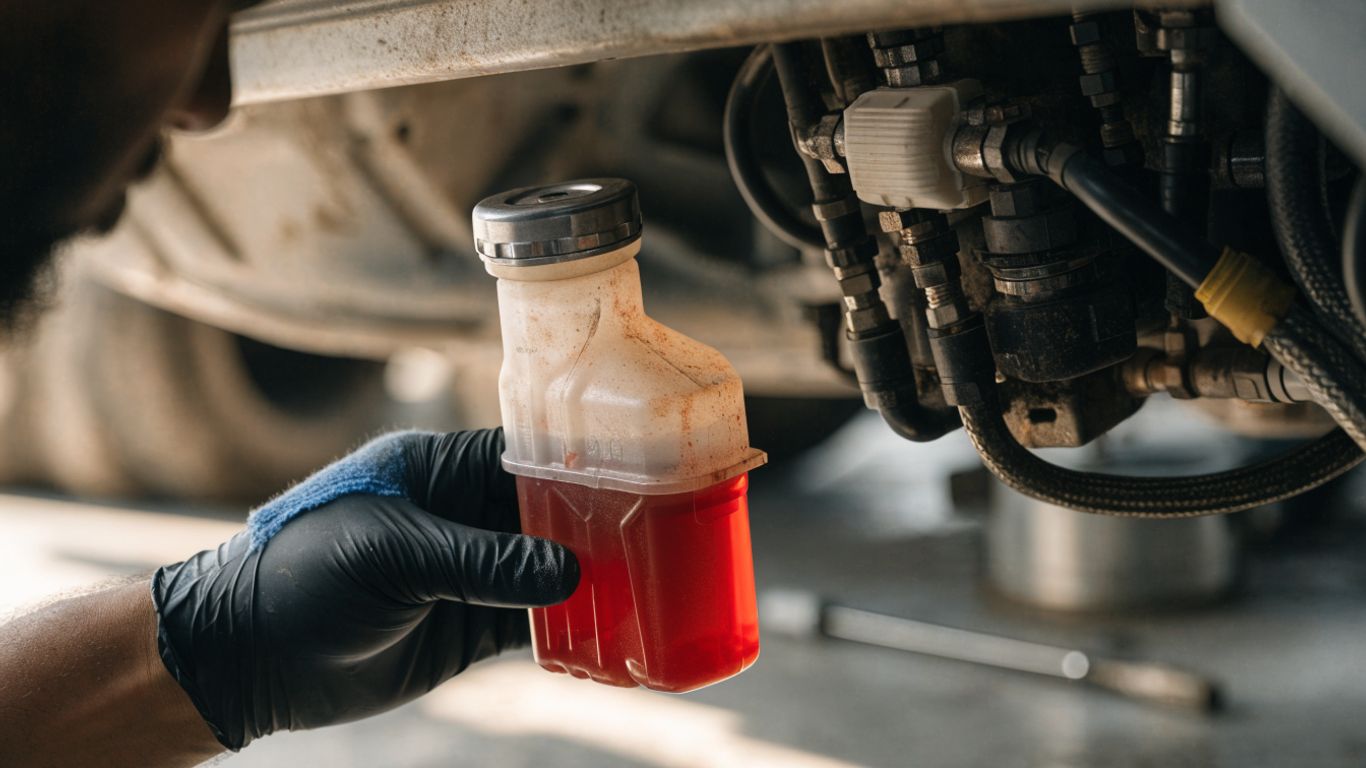
Brake fluid is part of the hydraulic path that allows braking force to reach the wheels, so its condition matters to the whole system. Maintenance is not simply a matter of adding fluid when the level falls. Follow the manufacturer’s schedule and investigate any unexplained drop in level, since it may point to a leak that needs attention.
Follow the vehicle maker’s brake fluid replacement schedule
The correct replacement interval depends on the vehicle, so use the owner’s manual or the service information for its year and model. A general rule of thumb from another car may not fit your vehicle. If the history is incomplete, ask a qualified shop to assess what service is due rather than assuming the fluid is recent.
Use only the specified fluid type
Brake fluid specifications are not interchangeable by assumption. Check the cap, owner’s manual, or service documentation for the required type, and ask a technician if the specification is unclear. Mixing in an unsuitable fluid can create additional problems, so do not guess or use a product simply because it is already on hand.
Prevent moisture and debris from entering the system
Keep the fluid container clean and closed, and avoid leaving the reservoir open longer than the service procedure requires. Dirt or moisture introduced during work can undermine the purpose of replacing the fluid. Maintenance habits vary across fields, from Social Darts® event planning to calorie planning, but brake-system work calls for vehicle-specific procedures and care.
Why bleeding procedures may require scan tools
Some vehicles require a particular bleeding sequence, and certain procedures may need a scan tool to operate parts of the ABS hydraulic system. The steps depend on the vehicle, so a basic bleed may not be sufficient in every case. If the brakes have been opened for repair or the pedal feels abnormal afterward, have the system checked by a technician with the appropriate service information and equipment.
Check for leaks, corrosion, and physical damage
A visual check can reveal a concern worth investigating, though it cannot confirm the condition of every hidden component. Look for changes during routine maintenance and after work near the brakes. If you find fluid, corrosion, or damage, avoid treating a quick clean or a top-up as a repair; establish the cause first.
Inspect brake lines, hoses, and connections
Look for wetness, cracking, rubbing, kinks, or obvious damage along accessible lines and hoses. Pay attention to connections and areas exposed to road debris or corrosion. Do not crawl under a vehicle supported only by a jack, and do not touch parts that are hot or unsafe to reach. A technician can inspect areas that are difficult to see safely.
Look for fluid around the master cylinder and ABS unit
Fluid around the master cylinder or ABS unit deserves prompt attention, even if the reservoir does not appear empty. Note where the wetness is and whether it returns after the area is cleaned by a professional. Do not assume that a leak comes from the nearest visible component; fluid can travel, and diagnosis may require a closer inspection.
Check wiring and connectors for corrosion or damage
A damaged wire or corroded connector can interrupt signals or power and may trigger a warning. Look only at accessible areas, and avoid pulling on wires or disconnecting plugs without the correct procedure. The inspection approach used for drone propeller maintenance also involves looking for physical wear, but a vehicle’s brake wiring should be assessed with vehicle-specific care.
When an inspection should be left to a technician
Leave diagnosis and repair to a qualified technician when a leak, damaged brake line, persistent warning, or uncertain electrical fault is involved. Brake hydraulics are safety-critical, and an incorrect repair can compromise braking. A car parts supplier can connect customers with quality used, genuine, and aftermarket parts through its parts network; confirm the correct fitment and have installation and system checks handled appropriately.
Protect the ABS pump’s electrical supply
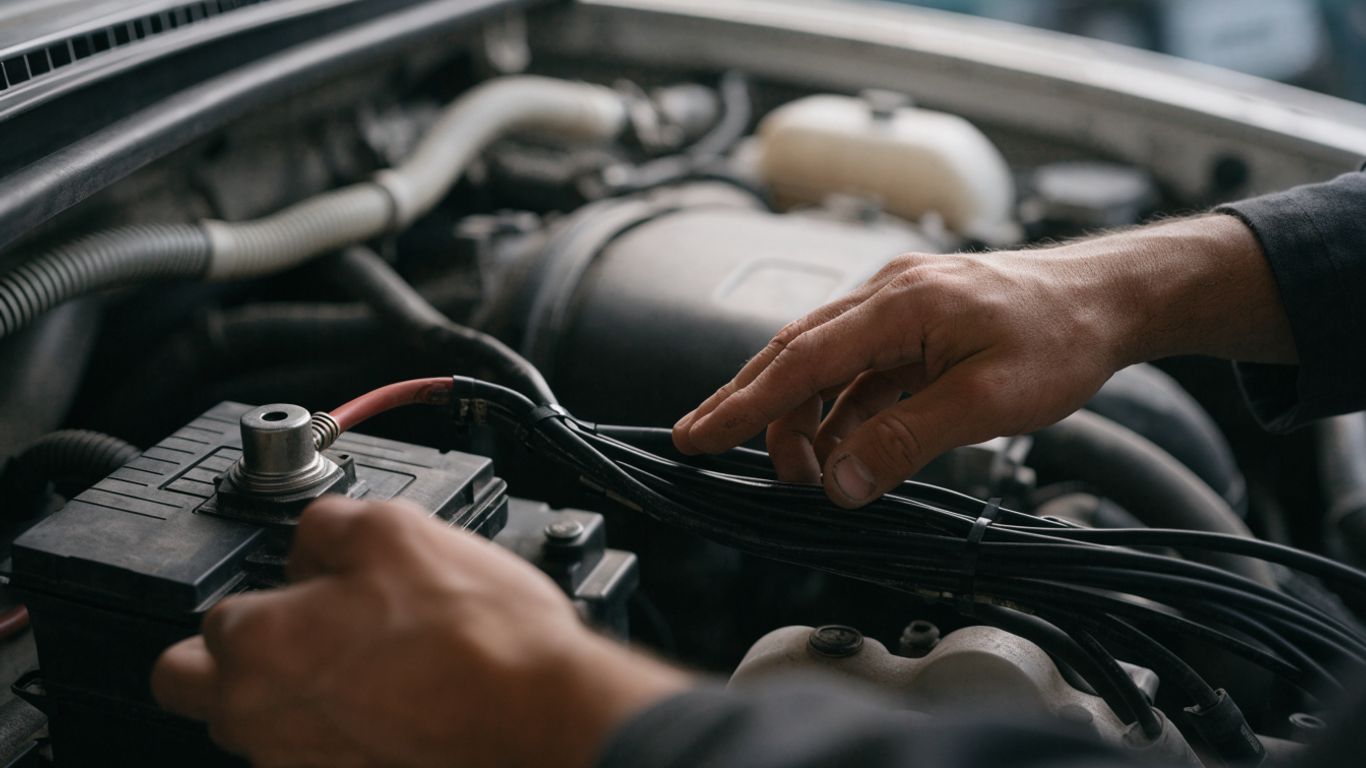
The ABS relies on electrical power as well as hydraulic components, so a weak battery or damaged connection can complicate diagnosis. Keep routine battery and charging-system service current, and pay attention to warnings that appear alongside other electrical symptoms. For parts replacement, a car parts supplier can help find the right component through a parts network, but a confirmed diagnosis should guide the choice.
Keep the battery and charging system in good condition
A battery or charging-system problem can create electrical symptoms that overlap with other faults. Have the system tested if the vehicle struggles to start, electrical warnings appear, or the ABS light comes on with other alerts. A test can help separate a supply issue from a fault within the ABS itself.
Check relevant fuses and relays safely
The owner’s manual identifies fuse locations and ratings. If you are comfortable checking them, switch the vehicle off and follow the manual’s instructions; replace a fuse only with one of the specified rating. A fuse that fails again is a reason to stop and seek diagnosis, not to keep replacing it or fit a higher-rated fuse.
Watch for loose grounds and damaged wiring
Visible corrosion, a loose ground connection, or chafed insulation may affect electrical operation. Avoid probing connectors or making improvised repairs, especially around the ABS unit. When symptoms are intermittent, a technician can inspect the circuit and check for stored fault information instead of relying on appearances alone.
Avoid repeated resets without diagnosing the cause
Clearing a warning or disconnecting the battery may not fix the underlying fault, and the warning can return. Record when the light appeared and whether anything changed in the vehicle’s behavior. That account, along with any diagnostic information, gives a repair shop a more useful starting point than repeated resets.
Respond promptly to warning signs
An ABS warning is a prompt to find out what is happening, not a diagnosis by itself. The underlying issue may be electrical, hydraulic, or related to another component in the system. If braking behavior also changes, treat the situation with greater urgency and avoid relying on the warning light alone to judge whether the vehicle is safe.
What the ABS warning light can indicate
A light that stays on may mean the ABS has detected a fault and that its anti-lock function needs attention. It does not, by itself, prove that the pump has failed. A summary of ABS pump symptoms covers several warning signs, but a diagnostic scan and inspection are needed to identify the cause on a particular vehicle.
Notice changes in braking behavior or unusual pump noises
Pay attention to a brake pedal that feels unusually hard, soft, or inconsistent, as well as noises that seem new or persistent. Some sounds may occur during normal ABS operation, so context matters: note when they happen and whether braking feels different. Do not test the system with sudden stops on public roads.
Distinguish an ABS fault from a conventional brake problem
An ABS warning can appear while the vehicle’s basic braking system still works, but that is not a guarantee that braking is safe. A red brake warning, a low fluid level, a leak, or a pedal that sinks or changes markedly may point to a more urgent conventional brake concern. When both types of warnings appear, err on the side of caution and get professional advice.
When to stop driving and arrange professional help
Stop in a safe place and arrange help if the pedal feels unreliable, braking performance has changed substantially, fluid is leaking, or a warning is accompanied by other serious symptoms. If only the ABS light is on and the brakes feel normal, arrange an inspection soon and drive cautiously only if the vehicle remains safe to operate. A video can help explain how the system works, but it cannot diagnose a vehicle’s fault.
Build preventive checks into regular maintenance
Prevention works best when it is part of ordinary service rather than a response to a breakdown. Keep maintenance records, address new warnings, and make sure any brake work follows the vehicle’s service procedure. A parts supplier can help locate quality used, genuine, and aftermarket parts when a repair requires replacement components; correct identification and diagnosis still come first.
Review the owner’s manual and service history
Check the manual for the specified fluid type, replacement interval, and any vehicle-specific service requirements. Review past invoices to see when fluid was changed and whether ABS-related repairs have been performed. If records are missing, tell the shop; an honest gap is more useful than an assumed service date.
Ask for ABS diagnostics when warning lights appear
When an ABS light comes on, ask for a diagnostic scan and an inspection of the related system rather than requesting a pump replacement immediately. A stored code can help direct further testing, but it may not identify a failed part by itself. Describe what happened, when it began, and whether the warning appeared with other symptoms.
Choose a qualified shop for hydraulic or module repairs
Hydraulic and electronic ABS work may require specialized procedures and tools. Choose a shop that can follow service information for the specific vehicle and verify operation after the repair. If a part is needed, confirm its fitment against the vehicle details before purchase; a car parts supplier can connect customers with parts through a broad network, but installation and testing remain essential.
Keep records of fluid changes and system inspections
Record the date, mileage, fluid specification, and any findings from inspections or repairs. These notes make it easier to follow the next service interval and spot repeat concerns. They also give a technician a clear history if a warning returns, which can save time during diagnosis.
Conclusion
To understand how to avoid abs pump failure, focus on steady fluid maintenance, careful checks for leaks and electrical damage, and prompt attention to warning signs. The pump is only one part of a larger system, so a qualified diagnosis is the safest way to distinguish a maintenance issue from a component fault.
Frequently Asked Questions
Can regular maintenance prevent ABS pump failure?
It can reduce avoidable risks by keeping fluid service current and helping catch leaks, corrosion, or electrical problems early. No maintenance routine can guarantee that a component will never fail.
How often should brake fluid be replaced?
Use the interval specified by the vehicle maker. If the service history is unknown, ask a qualified shop to check the vehicle’s requirements and fluid condition.
Does an ABS warning light mean the pump has failed?
No. The light can indicate a range of system faults, including electrical or sensor-related issues. A diagnostic scan and inspection are needed to identify the cause.
Can I drive with the ABS light on?
It depends on the vehicle’s condition and any other warnings or symptoms. If braking feels different, fluid is leaking, or a brake warning is also on, stop safely and arrange professional help. Otherwise, seek an inspection promptly and follow the owner’s manual.
What should I do if I notice brake fluid leaking?
Do not ignore the leak or rely on topping up the reservoir. Because a leak can affect braking, stop driving if the brakes feel abnormal and arrange a professional inspection.
Does a weak battery affect the ABS?
Electrical supply problems can create symptoms that overlap with ABS faults. Have the battery and charging system tested if the ABS warning appears alongside starting or other electrical problems.
Can I bleed the ABS system at home?
Some vehicles require a specific procedure or scan tool to bleed the ABS hydraulic unit. Check vehicle-specific service information and use a qualified technician if the required steps or equipment are unfamiliar.